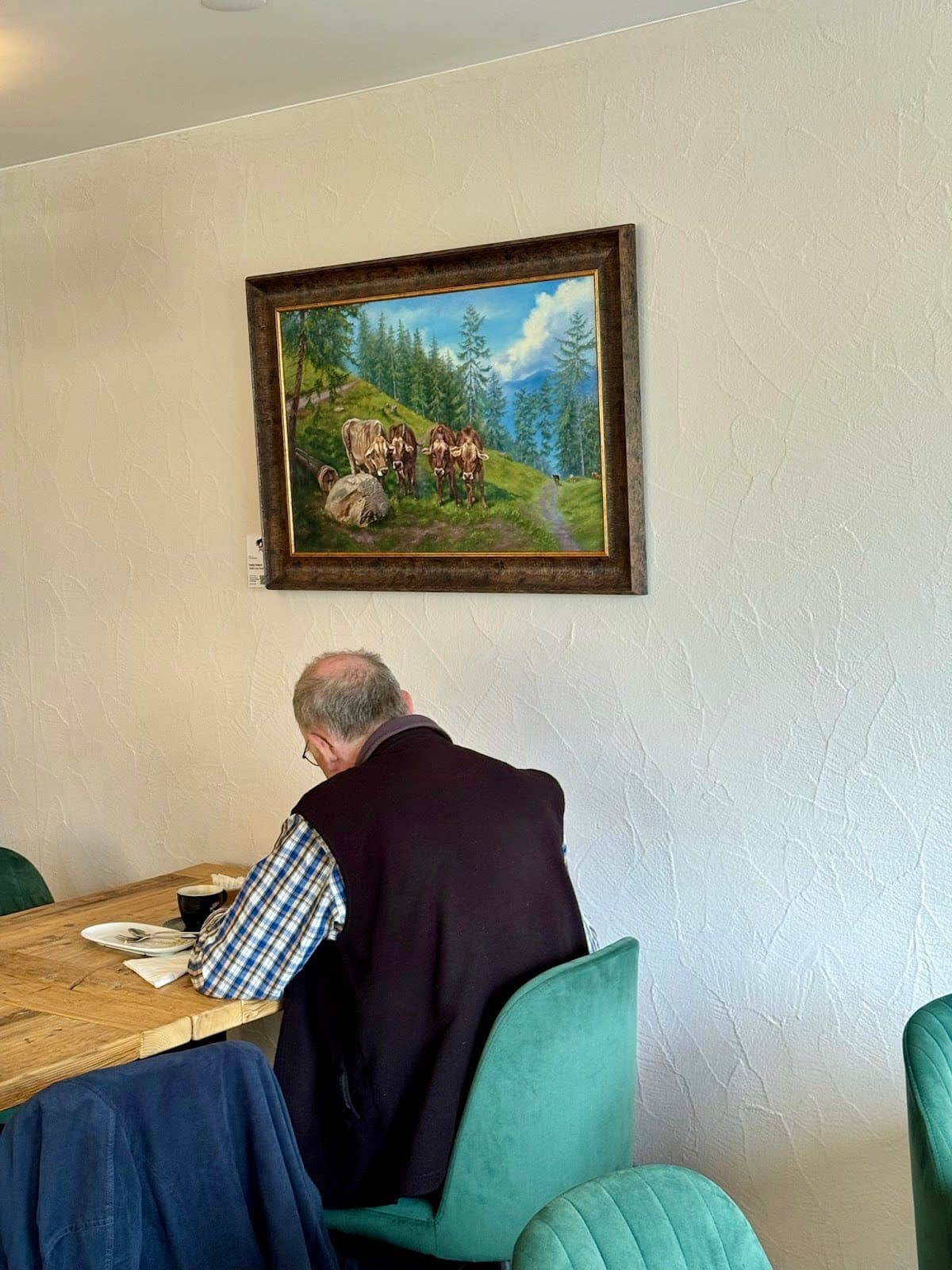
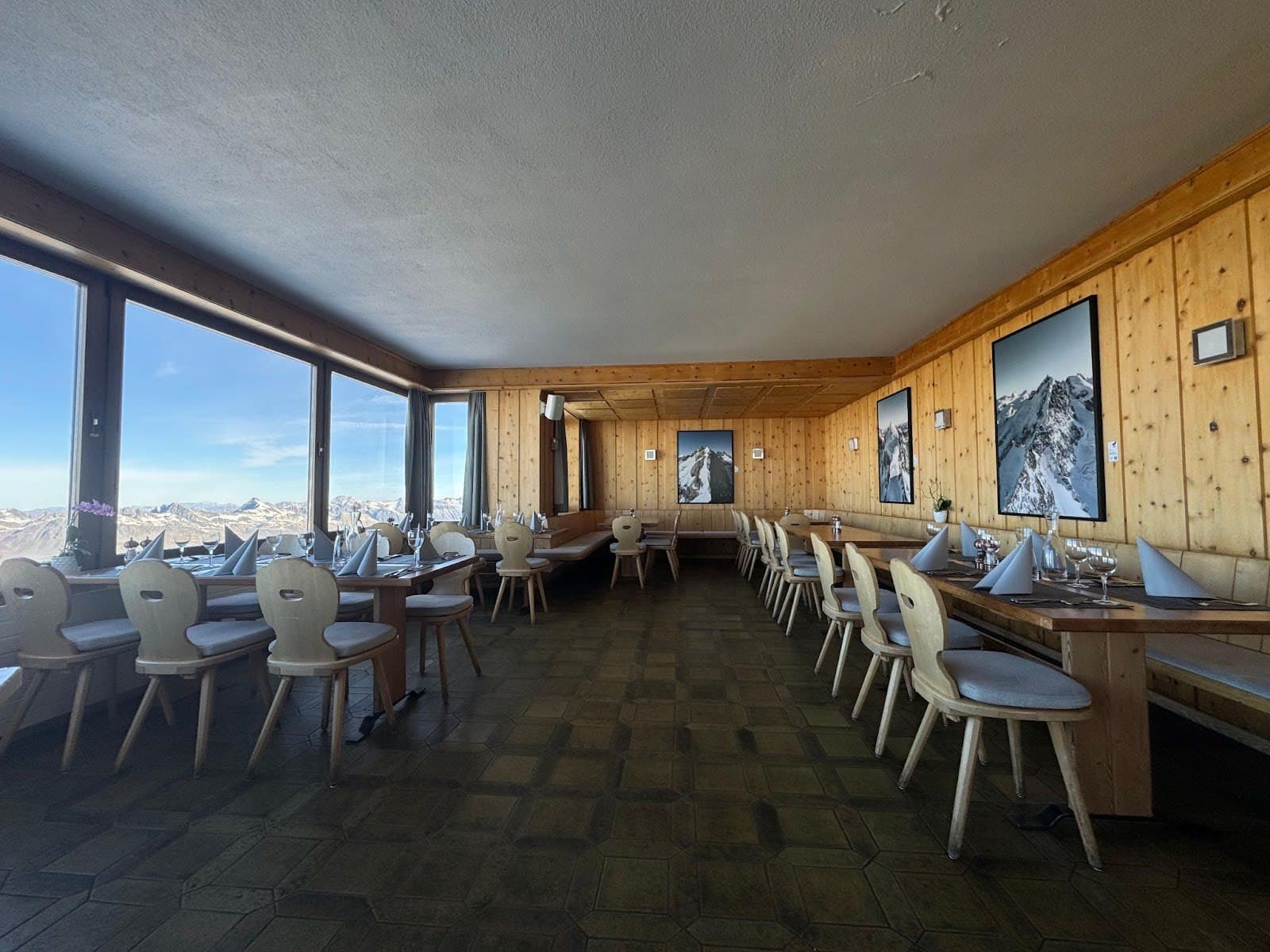
In wine, there is a word for the quality that cannot be manufactured: terroir. It refers to the specific combination of soil, climate, elevation, and microclimate that gives a wine its character. It's what makes a Burgundy taste unmistakably of Burgundy and not of anywhere else. You can replicate the grape variety, the technique, the barrel. You cannot replicate the ground it grew in.
Something similar is happening in hospitality. In a world where globalisation has made almost everything available almost everywhere, guests are increasingly drawn to the one thing that cannot be shipped, franchised, or algorithmically generated: a genuine sense of place. The same traveller who can order the same coffee, stay in the same hotel brand, and eat at the same restaurant group in a dozen different cities is actively seeking, often without being able to articulate it, the experience of being somewhere specific.
This is not a niche preference. It is one of the most consistent themes in how guests talk about the spaces they remember and recommend. And it presents hospitality professionals with both a challenge and an opportunity: to understand and express the character of their location in a way that feels genuine rather than performed.
The distinction matters. There is a version of "local" that tips into caricature: themed restaurants that lean so hard into regional identity that they become a parody of it, hotels that dress their staff in historical costume and serve nothing but traditional food. This is not what guests are looking for. At least not always. What they respond to is something more like an artistic sensibility: a considered, selective, and honest engagement with the place, expressed through the details of the space.
The question is how to get there. Here is a practical framework.
What Guests Mean When They Say a Place "Felt Authentic"
Authenticity is one of the most overused words in hospitality marketing and one of the least examined. Ask guests what they mean when they say a place "felt authentic" and the answers tend to cluster around a few consistent themes.
They mean it felt specific. Not interchangeable with somewhere else, not assembled from the same palette of hospitality conventions. They mean it had personality. That is, evidence of choices made by people who knew and cared about the place, rather than choices made to satisfy the broadest possible market. And they mean it felt honest. Not theatrical, not trying too hard, not performing a version of itself for tourist consumption.
This is a higher bar than it sounds, and it cannot be achieved through décor alone. Authenticity is a quality that runs through every layer of a hospitality experience: the language of the menu, the knowledge of the staff, the provenance of the ingredients, the art on the walls. When these things are aligned and rooted in the same genuine understanding of the place, guests feel it... even if they can't name it.
When they're not aligned, when the locally themed décor sits alongside a generic menu, or the "artisanal" branding obscures a purely commercial operation, guests feel that too. Inauthenticity is surprisingly easy to detect, and surprisingly damaging to a review.
Why Generic Décor Is Costing You Reviews and Return Visits
The default hospitality aesthetic (neutral palettes, abstract prints, furniture from the same small set of commercial suppliers) exists for a reason. It's safe, scalable, and unlikely to actively offend anyone. But in a market where guests have more choice and higher expectations than ever before, "unlikely to offend" is a genuinely weak position.
Generic spaces are forgettable by design. They don't give guests anything to talk about, photograph, or remember. And in an era when word-of-mouth, social sharing, and review culture drive an enormous proportion of hospitality bookings, forgettable is a business problem.
The guests who return, who recommend, and who write the kind of reviews that convert browsers into bookings are overwhelmingly guests who had an experience that felt distinctive. They're not returning for the neutral palette. They're returning for the thing that made the space feel like itself.
Small Venues, Big Personality: How Independent Spaces Get It Right
Independent hotels, restaurants, and cafés have a structural advantage over chains when it comes to expressing a sense of place: they are not required to be consistent across a portfolio. They can make choices that reflect their specific location, their specific community, and their specific personality. The question is whether they use that freedom.
The most effective approaches tend to work across several layers simultaneously, and none of them require dramatic gestures.
On the food and drink side, the opportunity is not to replace everything with local produce or to turn the menu into a geography lesson. It's to find a few points of genuine local connection and let them show. A dish that uses an ingredient the region is known for, prepared in a way that's contemporary rather than folkloric. A local wine or a small-batch spirit from a nearby distillery on the drinks list, introduced with a line of genuine context rather than a marketing note. Something experimental and locally rooted is far more interesting (and more memorable) than a comprehensive traditional menu.
The same principle applies to guest gifts and amenities. A complimentary welcome item sourced hyperlocally: a jar of honey from urban beehives a few streets away, a bar of chocolate from a local maker, a small bottle of something distilled nearby. This carries more meaning than anything from a hotel amenities catalogue. It says: we know where we are, and we wanted to share something specific about it with you.
In staffing and service, local knowledge is the equivalent of terroir. A team that genuinely knows and loves the neighbourhood, who can recommend the café that locals actually go to, the market that's worth the early start, the walk that isn't in any guidebook, provides something that no amount of design investment can replicate.
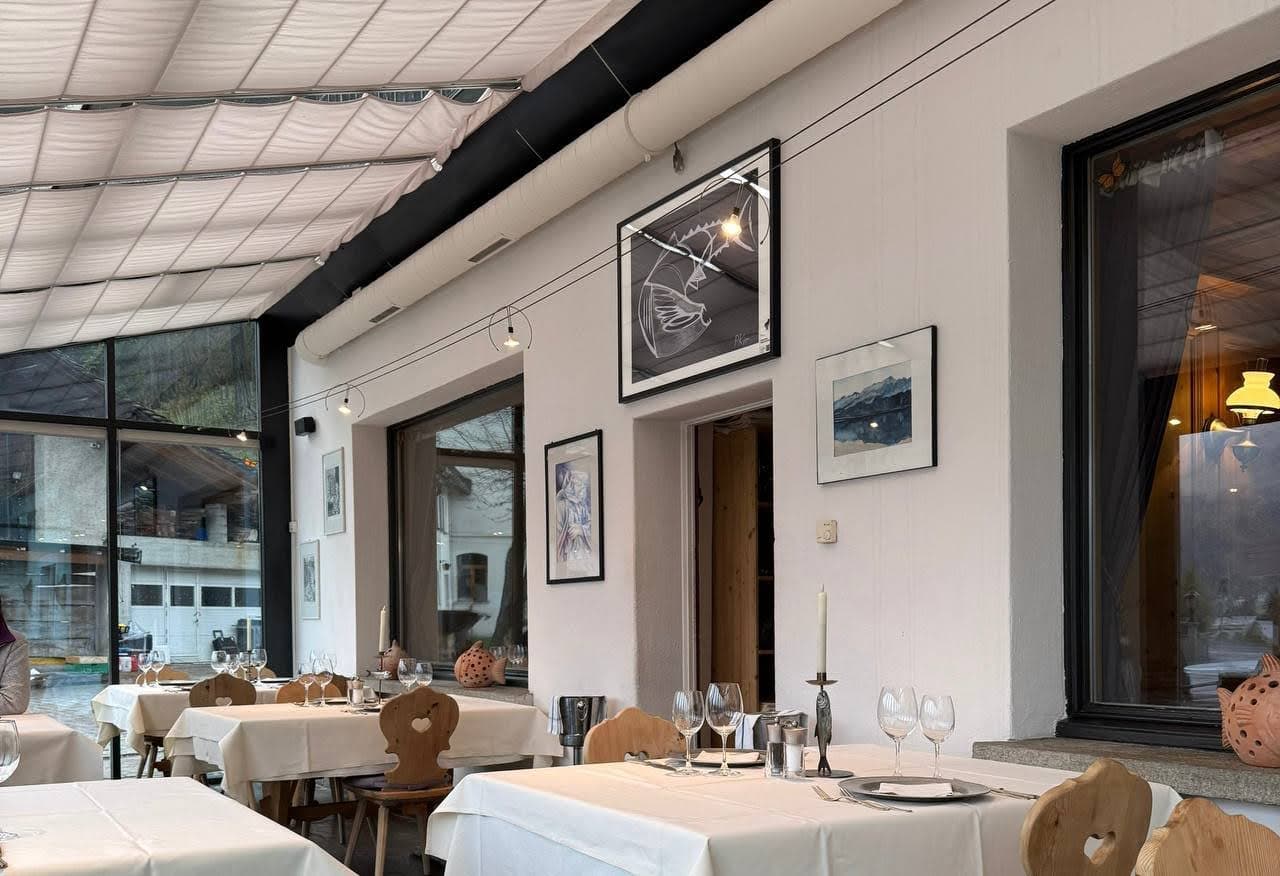
What Boutique Hotels Do Differently (And What You Can Steal)
The hospitality spaces that consistently score highest on "sense of place" tend to share a design philosophy, whether or not they articulate it explicitly: they treat the local context as the brief. Not as a theme to apply, but as the actual starting point for every design decision.
This shows up most clearly in the relationship between the building and its contents. A boutique hotel in a nineteenth-century warehouse doesn't import the interior wholesale from a contemporary design catalogue, it works with the bones of the building, lets the industrial heritage inform the material choices, and finds local makers and artists whose work belongs in that context.
The décor in the best independent spaces tends to reflect artisan traditions that are specific to the region: ceramics, textiles, furniture-making, glasswork. Not as museum pieces, but as living craft, things made by people who are working now, in this place, in a tradition that has roots here. This is the hospitality equivalent of terroir: the sense that what you're experiencing could only have come from here.
Chains, by definition, cannot do this at scale. The competitive advantage for independent operators is real, and underused.
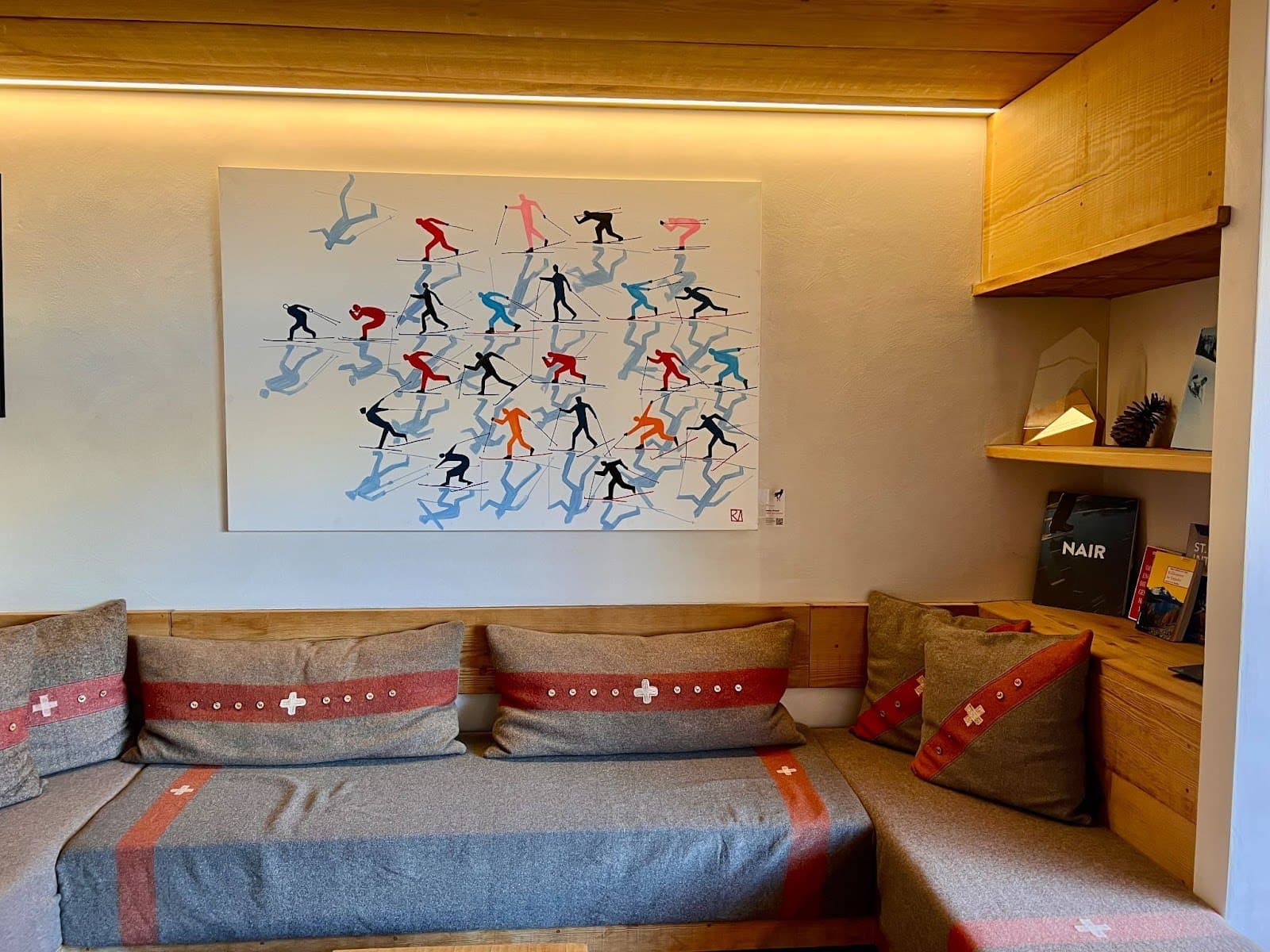
The Role of Local Art in Hospitality Design
Of all the ways to express a sense of place in a hospitality space, art is perhaps the most direct and the most powerful. A work made by an artist who lives and works in your city or region carries information that no reproduction, no licensed print, and no generic canvas can carry: it is evidence of a specific human sensibility, rooted in a specific place and moment.
Guests respond to this in ways that go beyond aesthetics. Original art creates conversation. It gives people something to look at closely, something to ask about, something to remember. A guest who spends three minutes looking at a painting on a restaurant wall and learns something about the artist behind it has had an experience that exists nowhere else in the world. And they know it.
The practical advice here is simple: go to your local artists. Not just to the abstract, commercially safe works that feel designed to go anywhere, but to painters and sculptors and printmakers who are working with a specific point of view about this place. Look at what's being made in your city's studios and galleries. Talk to the artists. Commission something if you can. Buy something if a commission isn't feasible. The investment is often more modest than people assume, and the return is disproportionate: in atmosphere, in distinctiveness, in the conversations it generates.
The art on your walls is not decoration. It is a statement about who you are and where you are. It deserves to be chosen with that weight in mind.
How to Source Art That Tells Your Neighbourhood's Story
Finding the right local artists is easier than it once was, and harder than it should be. The infrastructure for connecting hospitality venues with working artists is still underdeveloped, which is part of why the opportunity exists.
Some practical starting points:
- Local open studio events. Most cities have annual or biannual open studio weekends where working artists open their spaces to the public. These are the best possible way to see a wide range of work in context, meet the artists directly, and understand what's being made in your neighbourhood.
- Art school graduate shows. Every summer, art schools exhibit the work of graduating students. These are not just discovery opportunities, they're a chance to establish a relationship with artists at the beginning of their careers, often at prices that reflect that stage.
- Local galleries and artist-run spaces. These exist in almost every city and have curatorial knowledge that is genuinely useful. A conversation with a local gallerist about what you're looking for will often produce better results than months of independent searching.
- Artist collectives and cooperatives. Many cities have artist-run organisations that represent a range of practitioners and can facilitate introductions, commissions, and purchases. They're often specifically interested in placing work in public-facing spaces.
For operators who want the curatorial quality but don't have the time or expertise to source and manage artwork themselves, this is exactly the gap we built PickArt to fill. And, we are a no cost option.
How PickArt Connects Venues With Local Artists — Zero Upfront Cost
We are a hospitality art service built around a simple belief: that venues and local artists need each other, and that the connection between them is harder to make than it should be.
We work with hotels, restaurants, cafés, coworking spaces, and other hospitality venues to bring original, locally sourced artwork into their spaces. Our curatorial team selects works from our network of local artists in every city where we operate, chosen to match each venue's atmosphere, palette, and character. Artworks arrive ready-to-hang and fully insured. Alongside each piece, we provide a discreet QR label that invites guests to learn about the work and the artist behind it, and to purchase if they wish. We handle the transaction, the logistics, and the replacement when a work sells.
Venues pay nothing upfront. There are no platform fees. The model is built around shared upside: we earn from sales, and your venue earns a commission on every artwork purchased by a guest.
The result is a hospitality space that tells a genuine story about its place (through the work of artists who actually live and work there) without requiring a curatorial budget, an ongoing management overhead, or any capital investment in the artworks themselves.
For guests, it's the kind of detail that stays with them. For venues, it's one of the most effective ways to express exactly the quality that the best hospitality spaces share: the sense that you are somewhere specific, and that someone thought carefully about what that means.