
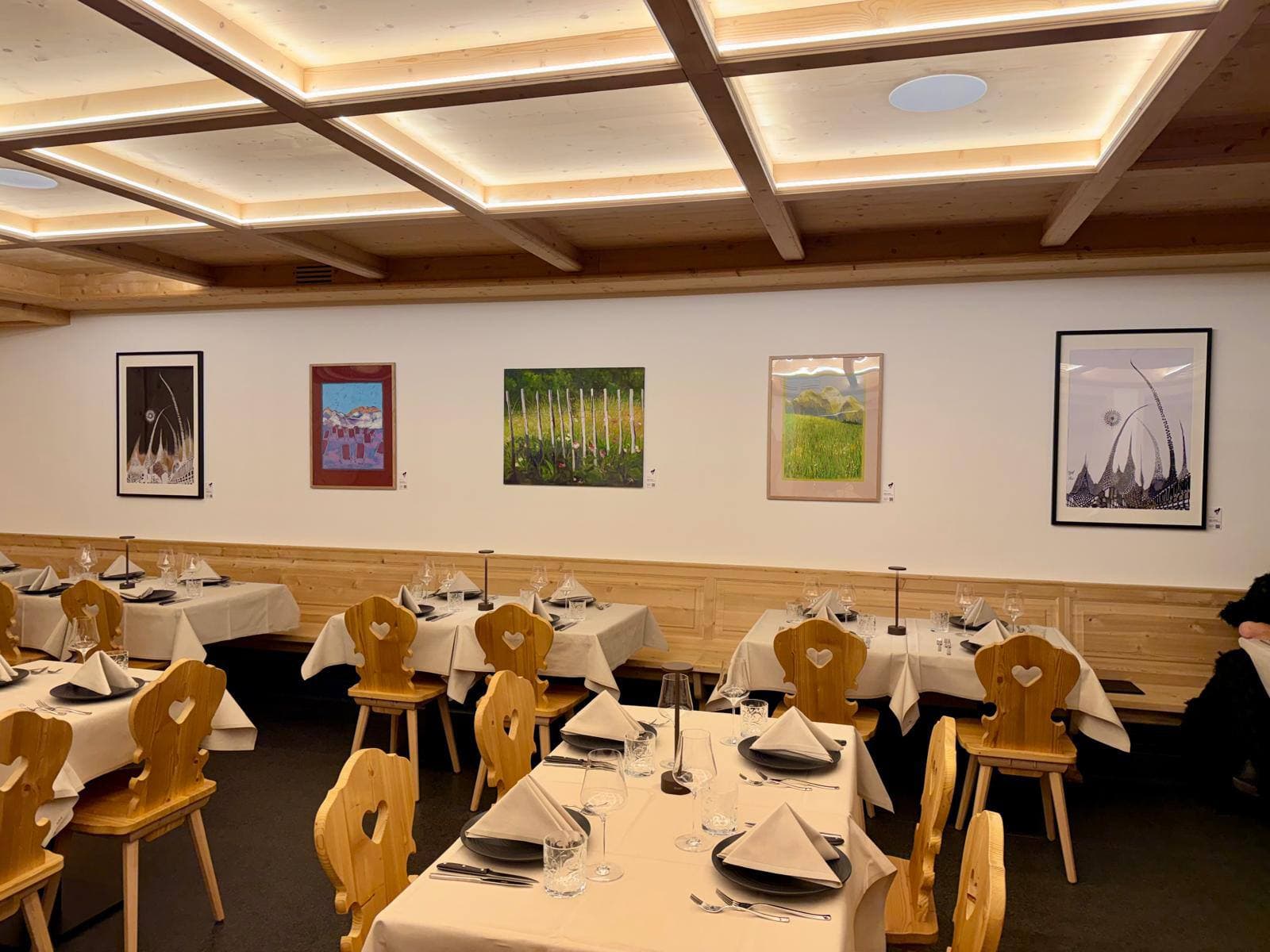
For a long time, artists were taught to think about galleries as the main destination for their work. But increasingly, artists are asking a different question entirely: how to exhibit art in cafes, hotels and shops, and whether those spaces might actually create a more natural relationship between art and audience in the first place.
The truth is, some of the most meaningful encounters people now have with contemporary art happen outside traditional gallery systems. Someone notices a painting while having coffee. They sit with it during a hotel stay. They walk past it repeatedly in a local shop and slowly form a connection to it over time. There’s something powerful about encountering work within lived environments rather than only in designated art spaces.
That shift is part of a much bigger change happening across the art world right now. Artists are no longer waiting to be invited into traditional systems before putting their work into the world. They’re actively exploring exhibiting art in a café, displaying work in hospitality venues, and building visibility through spaces people already move through naturally every day.
Why Cafes, Hotels and Shops Make Brilliant Exhibition Spaces
One of the biggest misconceptions around exhibiting outside galleries is that these spaces somehow matter less. In reality, hospitality and retail environments often create a much more approachable and emotionally connected viewing experience.
When people encounter artwork in rental properties, cafés, hotels, restaurants, or independent shops, they are usually more relaxed, more curious, and less intimidated than they might feel walking into a formal gallery environment. That changes how they engage with work entirely.
This is also why pop-up art in hospitality venues and art displays in retail spaces have become increasingly common. These environments already have atmosphere, footfall, and community built into them. Instead of art being separated from daily life, it becomes part of it.
Hotels in particular have become especially interesting spaces for artists. Questions like can artists sell work in hotel lobbies and corridors are becoming far more common, and the answer is absolutely yes. In many cases, hotel guests spend more sustained time with artworks than they would in a gallery setting, which often creates stronger emotional attachment and more considered purchasing decisions.
How to Identify the Right Venues for Your Style of Work
Not every venue is the right fit for every artist, and honestly, this is where a lot of independent outreach falls apart.
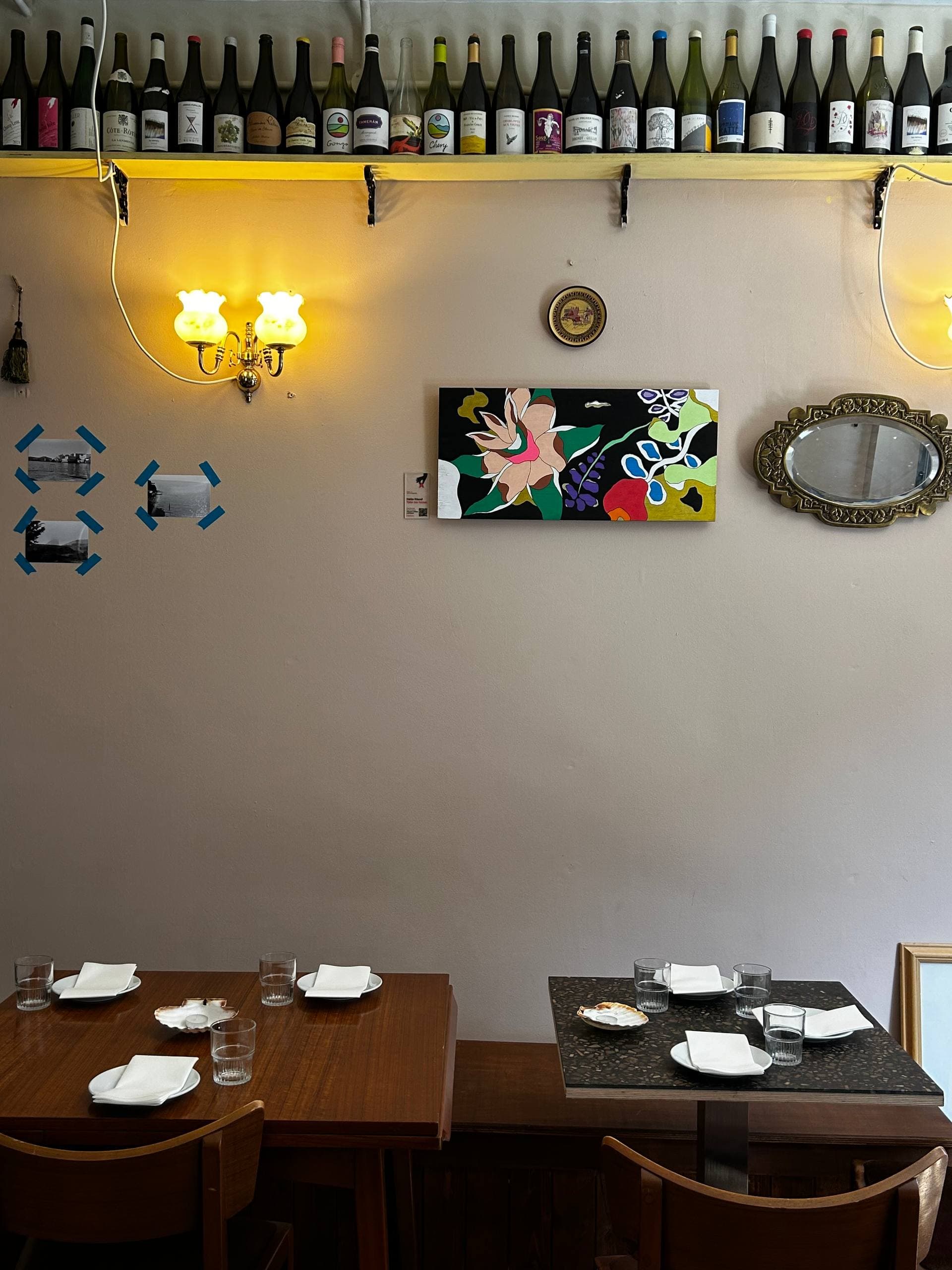
The best placements happen when the atmosphere of the venue genuinely aligns with the feeling of the work. A minimal contemporary photography series might sit beautifully inside a calm design-led hotel, while colourful, expressive paintings might perform far better inside a vibrant café or social hospitality space.
When thinking about how to find venues willing to display local artists' work, it’s important not to approach spaces randomly. The strongest placements are contextual. The venue, audience, interiors, lighting, and energy of the space all shape how the work is received.
This is actually a huge part of how we curate at PickArt. We don’t just place work wherever there’s wall space available. We consciously think about emotional and visual alignment between artwork and environment so the placement feels intentional rather than decorative. That’s especially important when thinking about how to get art into hotels or how to get your paintings into independent shops, because the most successful placements are the ones where the work feels naturally embedded within the atmosphere of the venue.
Because ultimately, people connect with artwork differently when it feels like it belongs within the space they’re experiencing.
How to Approach a Café or Shop Owner About Displaying Your Art
A lot of artists overthink this part.
If you’re wondering how to approach a café about displaying your artwork or what to say when asking a café to show your art, the most important thing is understanding that venue owners are usually thinking about atmosphere first.
You’re not just asking for wall space. You’re offering something that can contribute to the experience of their customers and the identity of their venue.
The strongest outreach tends to be clear, visually strong, and specific about why the work suits the space itself. What often matters more than having a huge CV is simply presenting yourself professionally and making the process feel straightforward and low-maintenance for the venue owner.
That said, doing this independently can still be incredibly time-consuming. Finding venues, pitching, handling agreements, managing buyers, organising logistics, and following up consistently can quickly become overwhelming alongside actually making work.
That’s part of why platforms like PickArt exist. We help bridge that gap by matching artists with carefully selected hospitality and commercial spaces while also handling the infrastructure around placement and sales. Rather than artists needing to individually figure out how to set up a café art exhibition for the first time, we help create systems that make exhibiting within real-world spaces feel much more accessible and sustainable long term.
What to Include in a Simple Art Display Agreement
One of the biggest fears artists have around exhibiting independently is not knowing how commission agreements for art displayed in cafés and shops actually work.
At a minimum, any arrangement should clearly explain who owns the work, how long it will remain displayed, who is responsible for insurance, what happens if the work sells, and how commission is split between the artist and the venue.
A lot of artists make the mistake of relying entirely on informal verbal agreements, but having even a very simple written agreement protects both sides and makes the relationship feel much more professional and sustainable.
At PickArt, these systems are already built into the model, so artists don’t have to negotiate every logistical detail individually with each venue themselves.
How to Price and Label Work So Venue Visitors Can Buy
One of the reasons selling art in local shops or hospitality venues often fails is that the purchase journey becomes awkward.
People see work they like, but then there’s no visible pricing, no clear information about the artist, or no obvious way to buy the work in the moment they connect with it. By the time they leave the venue, that interest is often lost.
This is where using QR codes to drive sales from casual venue browsers has completely changed things.
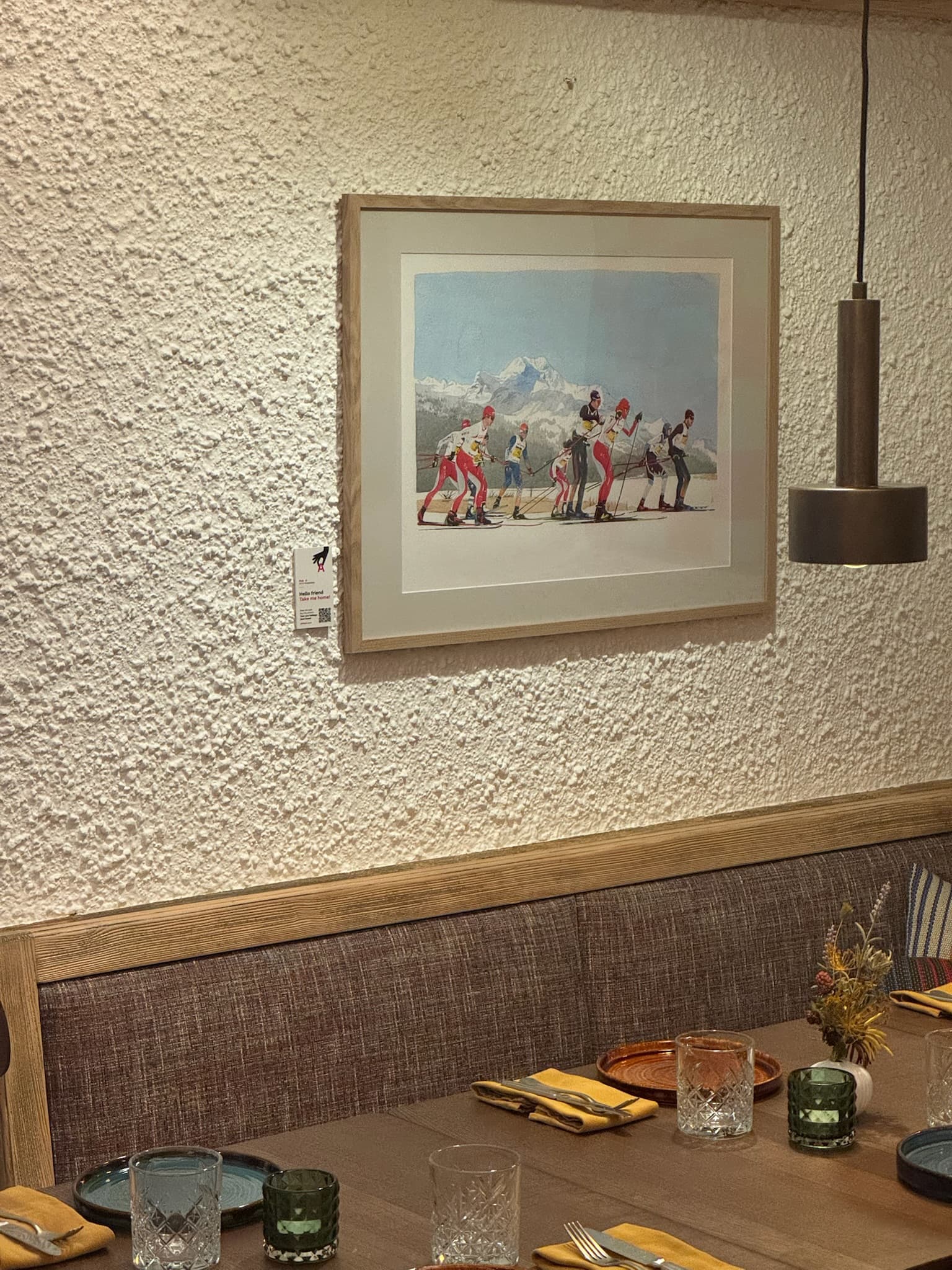
At PickArt, every artwork has its own digital artwork page connected through QR codes placed discreetly within the venue. Guests can instantly learn about the artist, explore the story behind the work, view pricing, and purchase directly through the platform.
What’s important is that this doesn’t interrupt the atmosphere of the venue. It keeps the experience natural and low-pressure while still making contemporary art feel accessible to people who genuinely connect with it.
And honestly, people often connect with work far more deeply when they’ve lived alongside it for a few hours, days, or even an entire hotel stay.
How Commission Arrangements With Venues Typically Work
How commission arrangements with venues typically work usually falls into one of two camps: either artists pay upfront to exhibit, or the venue takes a commission only if the work sells.
Some cafés, hotels, and retail spaces simply offer wall space in exchange for a percentage of sales, while more traditional exhibition models may involve rental fees upfront regardless of whether any work actually sells. Increasingly, though, artists are looking for models that reduce upfront financial risk while still creating meaningful visibility and sales opportunities.
At PickArt, the model is designed differently. Artists don’t pay upfront fees to exhibit. Instead, we work on commission only in the event of a sale while handling venue partnerships, curation, QR infrastructure, insurance during placement, sales systems, and buyer logistics.
The aim is to remove as many barriers as possible so artists can focus on the work itself while still gaining meaningful visibility and access to buyers.
How to Build a Network of Venues That Show Your Work Regularly
The artists who succeed in exhibiting beyond galleries are usually the ones who stop treating placements as isolated one-off events.
Instead, they begin building a wider ecosystem around where their work lives. One café placement can lead to another. A hotel notices the work. A co-working space becomes interested. A buyer discovers the work through a hospitality venue and follows the artist long after leaving the space itself.
That’s really the bigger shift happening right now. Artists are beginning to understand that visibility doesn’t only happen inside traditional art institutions anymore. Work can build presence and credibility through real-world environments where people already spend time naturally.
So if you’ve been wondering how to exhibit art in cafes, hotels and shops, whether exhibiting art in a café is actually worth doing, or how to get your art into hotels and independent retail spaces, the answer is yes. Increasingly, these spaces are becoming some of the most exciting and sustainable places for contemporary art to exist.
And honestly, there’s something quite beautiful about art being encountered not as something separate from life, but as part of it.