
What Is Art Placement in Short-Term Rentals and How Does It Work?
How does art in short-term rentals work? It’s a question more and more artists are beginning to ask as the relationship between art, interiors, and hospitality continues to shift. Traditionally, artists have been taught to think about galleries as the primary route to visibility and sales. Still, increasingly, some of the most meaningful interactions with artwork are happening entirely outside those spaces.
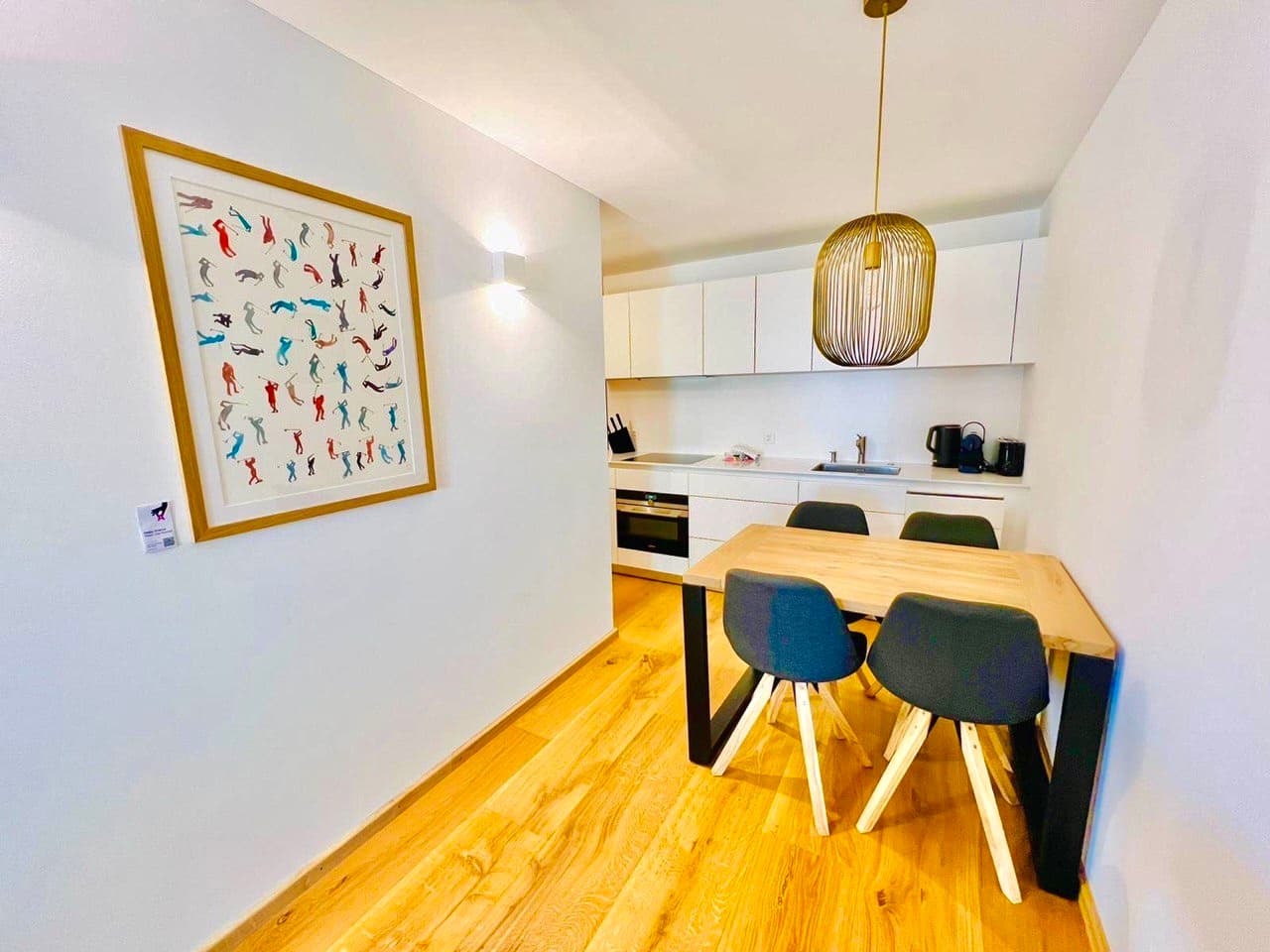
Short-term rentals, boutique stays, and design-led holiday lets create a completely different kind of viewing experience. Instead of someone seeing a work for a few minutes at an exhibition, guests live alongside it. They wake up with it in the room, notice new details over breakfast, photograph it, sit with it late at night, and slowly build a relationship with it over the course of their stay. That kind of connection is incredibly different from the quick consumption that often happens in traditional art spaces.
Why Short-Term Rentals Are a Surprising Opportunity for Artists
What makes art in Airbnb properties particularly powerful is the emotional context people encounter it in. Most guests are travelling, resting, reconnecting, celebrating, reflecting, or escaping routine in some way. They are often far more emotionally open than they would be in a traditional retail or gallery environment. That changes how people engage with art.
In galleries, people often feel pressure to understand the work intellectually or respond “correctly”. In a holiday let or short-term rental, the relationship is softer and more instinctive. Guests often connect to pieces more instinctively because the work becomes associated with the atmosphere and memory of their stay. That emotional closeness is a huge part of why selling art through holiday lets can work so effectively. The artwork stops feeling like an object being marketed to someone and starts feeling like something already woven into their experience.
For artists exploring passive income through holiday rental placements, this also creates something galleries often cannot, which is sustained visibility over time. Rather than a one night private view or a short exhibition period, artwork in rental properties can remain installed for months while hundreds of guests move through the space.
How to Get Your Art Displayed in an Airbnb or Holiday Let
One of the biggest questions artists ask is how to get their art displayed in an Airbnb or holiday let in the first place. And honestly, the answer has less to do with simply finding wall space and more to do with finding the right contextual fit.
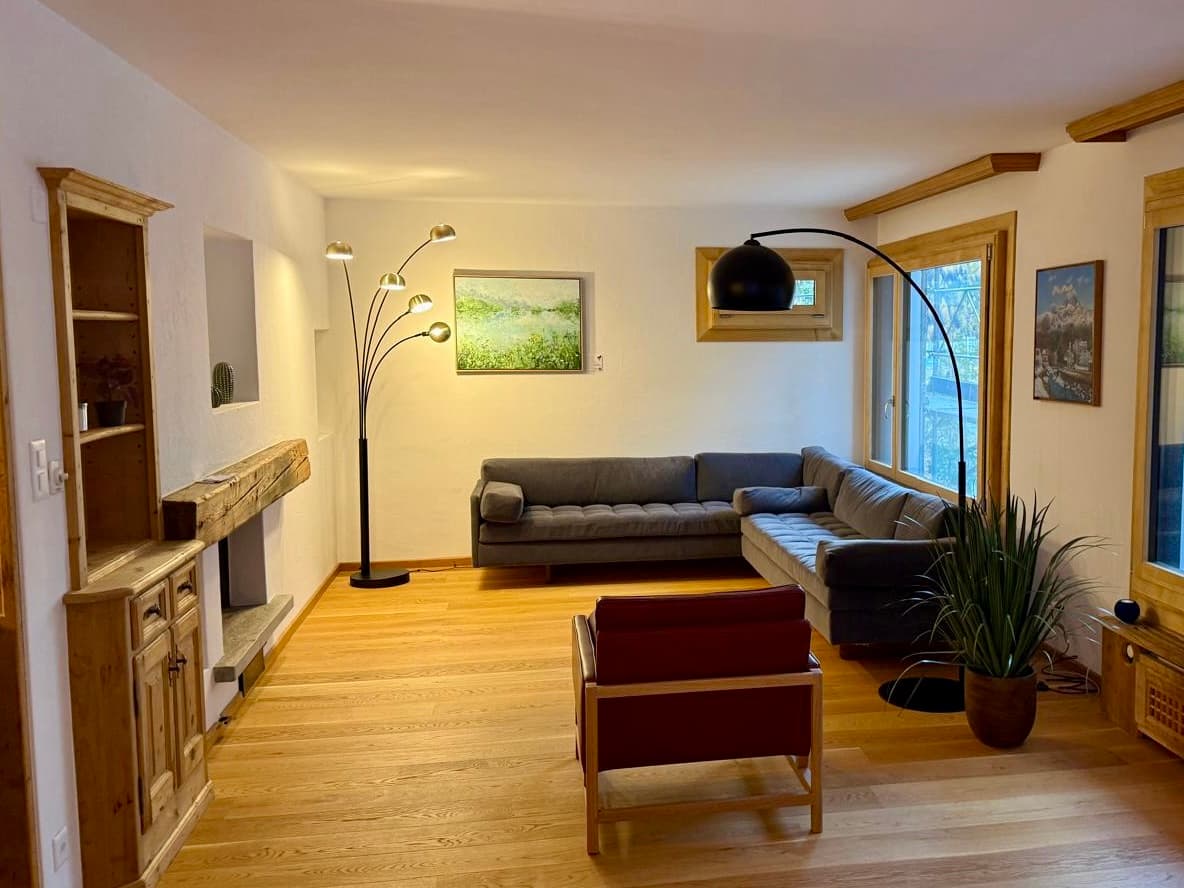
At PickArt, placements are curated very consciously. We’re not randomly assigning artworks to rental properties or treating spaces like generic exhibition walls. A huge part of the process is considering how the work actually lives within the environment itself. That means thinking about colour palettes, interiors, atmosphere, lighting, guest demographics, and the overall emotional tone of the property.
Some spaces call for softer, calming works that complement a slower and more intimate environment. Others can hold bolder, more textural or conceptual pieces that become part of the identity of the stay itself. The goal is always for the artwork to feel integrated into the experience rather than simply added onto the wall afterwards.
This is also why artists who tend to work well in these spaces are often those who understand mood, scale, interiors, and emotional atmosphere alongside their practice itself. That doesn’t mean the work has to be purely decorative. In fact, some of the strongest examples of artist placement in short-term rentals are highly conceptual works. The difference is simply that they still know how to coexist within a lived environment rather than overpower it.
For artists trying to approach short-term rental hosts directly, it helps to think beyond “displaying work” and instead think about contributing to the identity and feeling of the property itself.
Setting Up a QR Code System So Guests Can Buy Direct
A lot of conversations around artwork in rental properties focus only on visibility, but visibility alone is not enough. Artists need a system that makes the work discoverable, understandable, and actually purchasable at the moment someone connects with it.
This is where PickArt approaches things differently.
Rather than simply hanging work in Airbnbs or holiday lets and hoping guests ask about it, PickArt creates a complete infrastructure around the placement itself. Every artwork receives its own dedicated artwork page where guests can instantly access the artist’s story, artwork details, pricing, conceptual background, and direct checkout through a simple QR interaction.
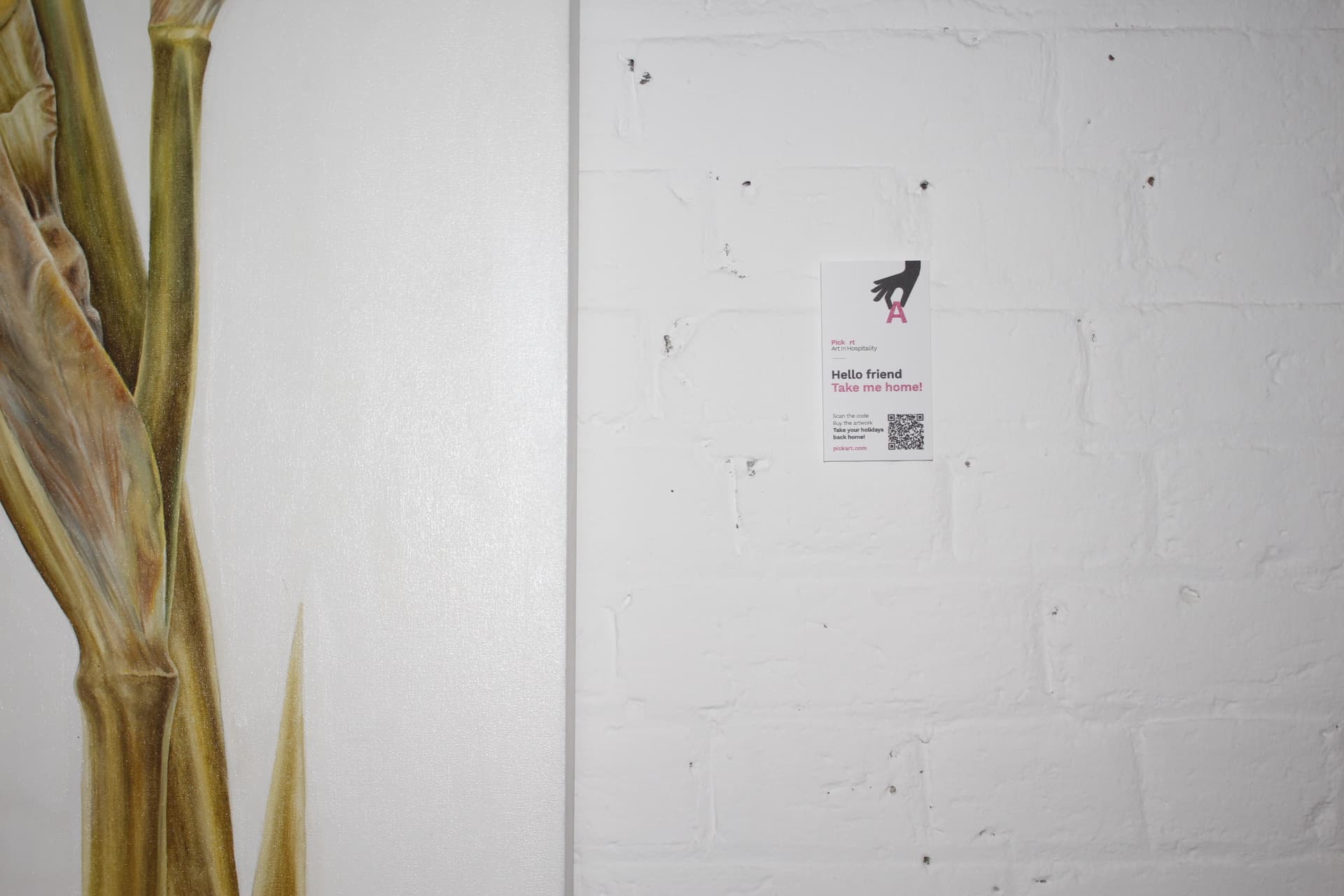
Using QR codes to sell art in short-term rentals removes one of the biggest barriers to buying art, which is friction. Often, someone may deeply connect with a piece but never follow through because the process feels awkward, inaccessible, or disconnected from the experience they’re having. PickArt removes that barrier quietly and seamlessly.
The technology itself is not really the point. The point is making discovery and purchase feel seamless and accessible within the environment itself.
For artists wondering if artists can sell work through short-term rental properties, the answer is increasingly yes, especially when the sales process itself feels integrated into the stay rather than separate from it.
How to Price Artwork Displayed in Short-Term Rental Properties
One of the more practical questions artists ask is how to price artwork displayed in short-term rental properties. The answer is similar to pricing work in other contexts, but with a slightly different understanding of the audience.
Guests in short-term rentals often engage with work more instinctively than analytically, responding to atmosphere, placement, and the overall feeling of the space rather than traditional gallery expectations.
That means pricing still needs to feel aligned with your wider practice and market positioning, but accessibility and context matter too. Smaller works, editions, and pieces that feel emotionally tied to the atmosphere of the property can often perform particularly well in these settings.
At PickArt, pricing conversations are approached collaboratively, taking into account the type of property, guest demographic, placement visibility, and the artist’s existing practice.
Protecting Your Work and Making Placements Sustainable
Of course, practical questions still matter. Artists naturally want to know how agreements work, who handles logistics, and what happens if something sells.
Most hospitality placements operate through consignment agreements, meaning the artist retains ownership unless the work is purchased. At PickArt, artists are responsible for getting work to the venue, but from that point onwards, the platform manages the logistics around the placement itself, including buyer delivery if a work sells.
Insurance is also covered while the work is placed within the space, which is particularly important in hospitality settings. Although well-managed luxury rentals are often far safer environments than people initially assume, having that protection in place helps artists feel more comfortable placing valuable works into real-world environments over longer periods of time.
Framing and installation quality matter too, especially for longer-term placements where works need to remain secure, durable, and presentation-ready while still sitting naturally within the atmosphere of the property.
How to Scale Art Placements Across Multiple Rental Properties
The real potential of displaying art in short-term rentals comes when placements stop being isolated opportunities and start becoming part of a wider network. One placement can naturally lead to another, especially when hosts, designers, and hospitality groups begin seeing how artwork actively contributes to the identity of a space.
This is also where platforms like PickArt are beginning to shift things. Rather than artists individually trying to negotiate placements, organise logistics, and build their own systems for selling art through holiday lets, the process becomes centralised. Artists can upload work once, then have it pitched across multiple hospitality environments, from boutique hotels to holiday rentals and design-led apartments.
For artists trying to build sustainable visibility, this matters. Because the question is no longer just how to get your artwork seen by the public once, but how to create systems where your work continues circulating, being seen, and generating opportunities over time.
The Bigger Shift Happening Around Art and Hospitality
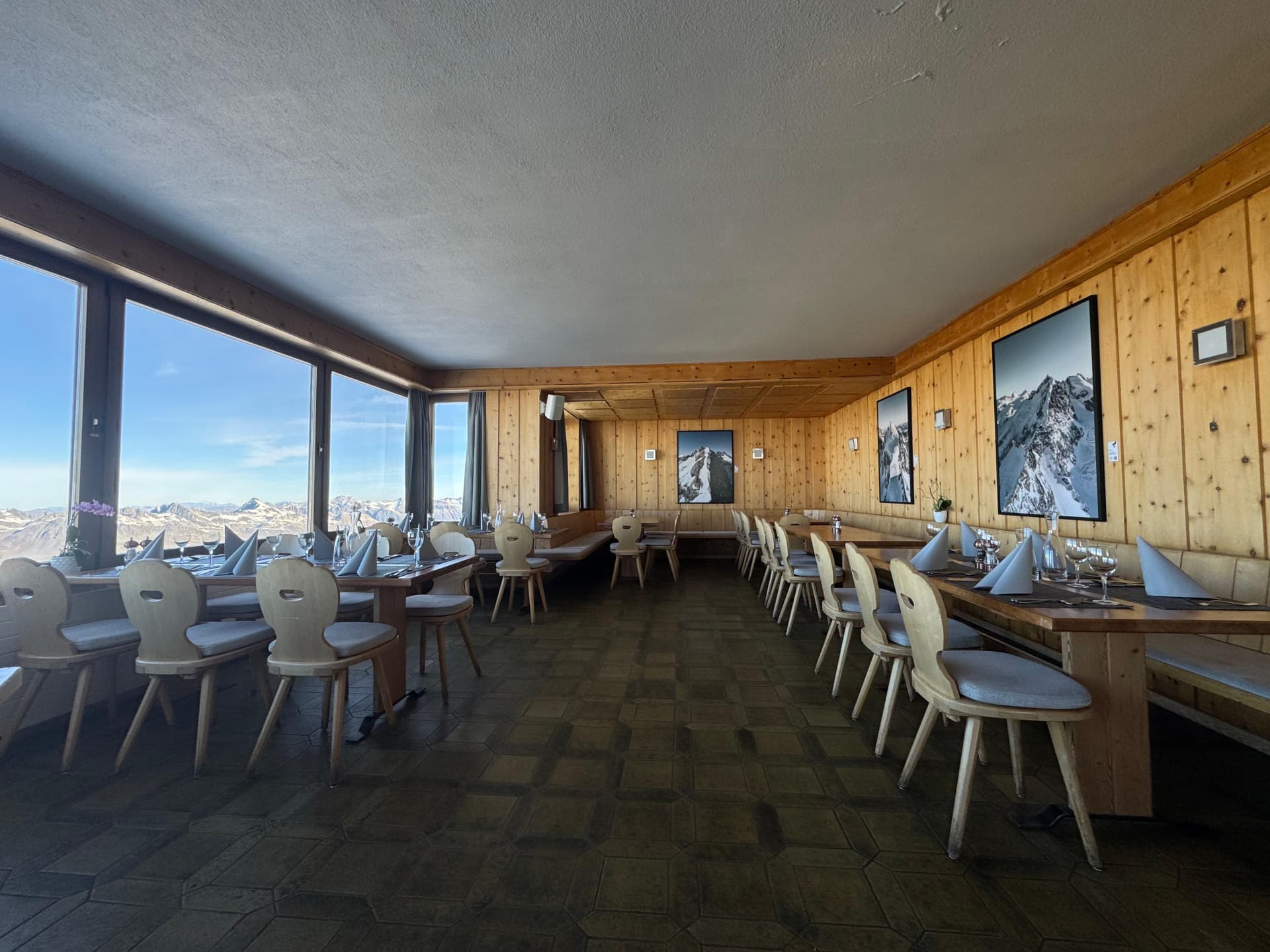
Ultimately, the rise of artwork in rental properties reflects a much wider shift happening across the art world. Artists are increasingly moving away from waiting for permission from traditional gatekeepers and instead exploring environments where art can exist more fluidly within everyday life.
So when artists ask how art in short-term rentals works, the answer is actually quite simple. Art becomes integrated into hospitality environments where guests encounter it naturally, can discover more through QR-based infrastructure, and purchase directly if they connect with the work. Increasingly, that shift is creating entirely new pathways for artists to build sustainable visibility and sales outside the traditional gallery model.