
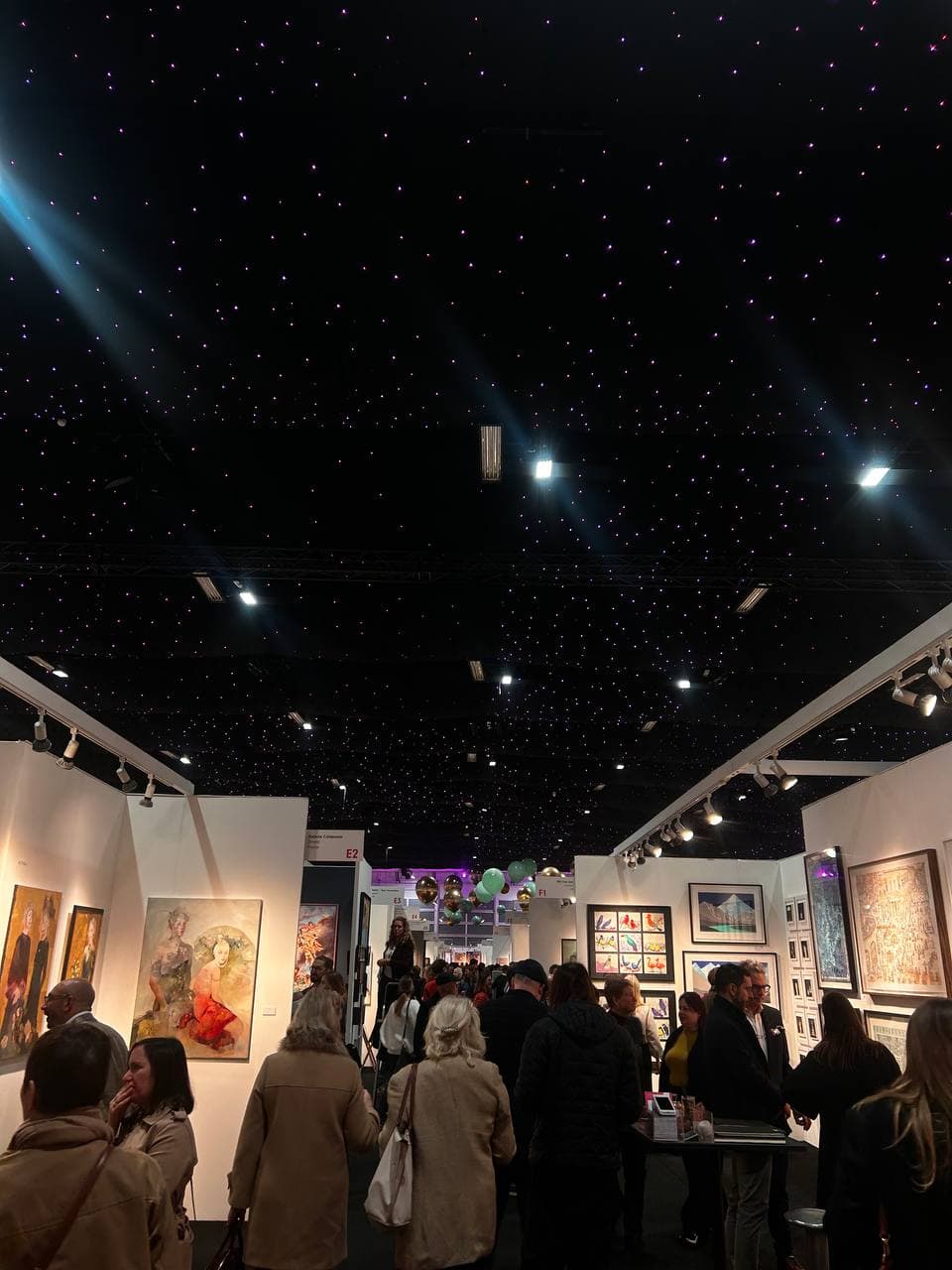
One of the first questions artists start asking when they begin exhibiting independently is how much exhibition space costs for artists, and honestly, the answer can vary massively depending on the type of venue, the city, the duration, and the model being used.
For emerging artists, especially, the whole process can feel incredibly overwhelming. You start researching gallery space rental costs and suddenly realise that exhibiting work can become expensive very quickly. Between venue hire, transport, framing, installation, marketing, drinks, printing, and staffing, what starts as an exciting opportunity can sometimes end up feeling financially unsustainable before the exhibition has even opened.
That’s also why more artists are now questioning whether paying for exhibition space should actually be the norm at all.
Because while there are situations where paying to exhibit can absolutely make sense, there are also many situations where artists are taking on huge financial risk for very little long-term return. Increasingly, artists are looking for models that create visibility, sales opportunities, and audience growth without requiring large upfront investment just to get work seen.
The Different Ways Exhibition Space Is Priced and Charged
One reason exhibition space pricing for artists feels so confusing is that there’s no single industry standard.
Some galleries work entirely on commission. Others charge flat hire fees upfront. Some combine both. Pop-up venues often charge day rates or weekly rates, while hospitality venues may operate through consignment models instead.
When people search for how much to rent a gallery or the average cost of renting a gallery space for a week, the reality is that prices can range from a few hundred pounds to several thousand, depending on location and reputation.
In larger cities, especially, art show venue hire costs can become extremely high very quickly. A one-week exhibition in a central city location can easily cost an emerging artist more than the actual sales generated from the show itself.
That’s part of why so many artists are now exploring alternative exhibition models that don’t rely on paying purely for access to walls.
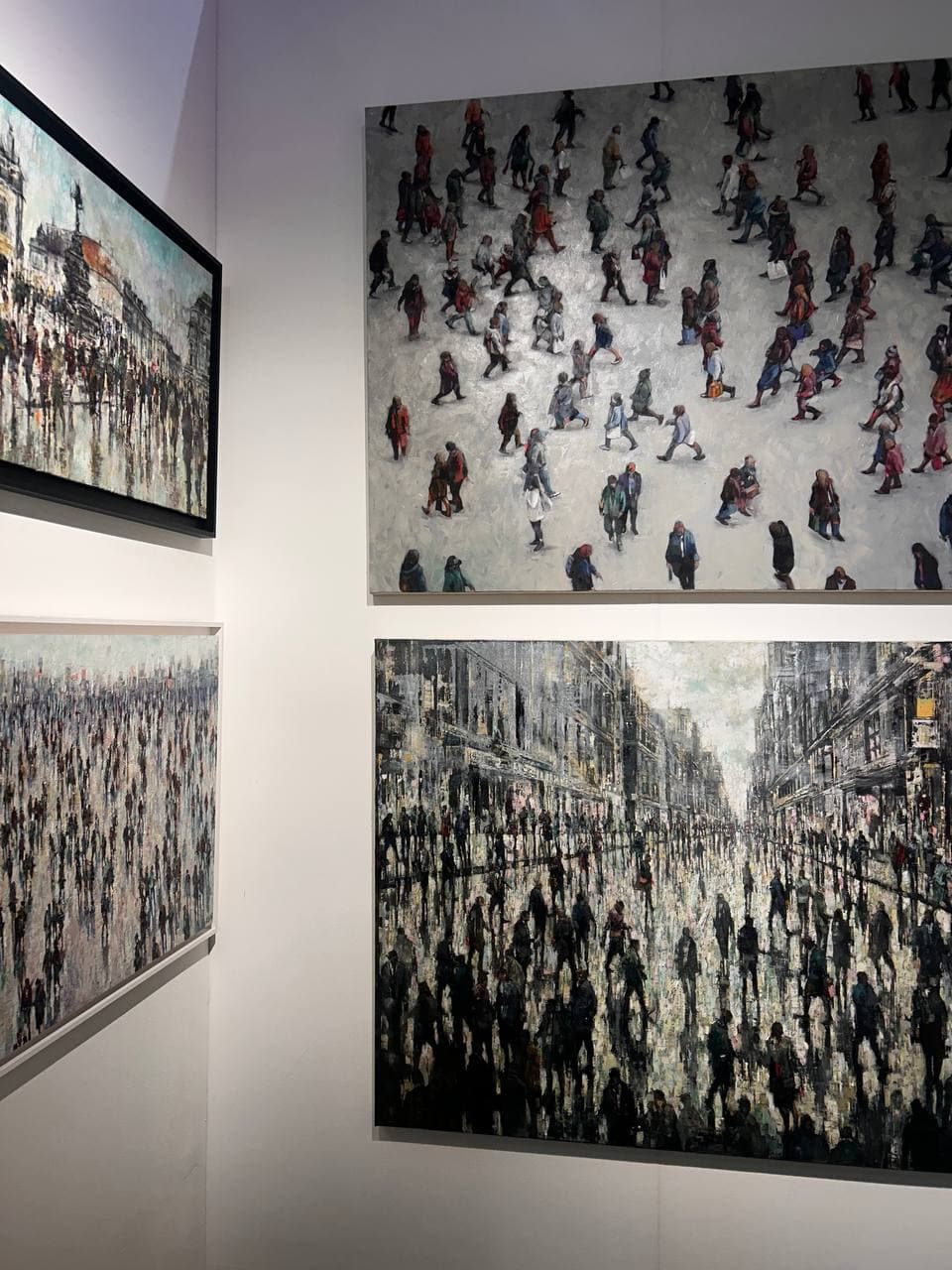
Typical Costs for Gallery Hire, Pop-Up Spaces and Venue Rentals
Typical gallery space rental costs vary hugely depending on the setup.
A small independent project space might charge relatively affordable exhibition space rates, particularly if the artist is organising a short pop-up or group show. But more established galleries or central locations often charge significantly higher fees, particularly when staffing, private view support, and marketing are included.
Artists also often underestimate the additional costs surrounding exhibitions. Even if a venue itself seems affordable initially, the wider production costs can add up extremely quickly. Transport, printing, framing, insurance, installation hardware, lighting adjustments, drinks for openings, photography, videography, and promotional materials all become part of the overall budget.
This is why questions like how to budget for your first solo art show are so important. The exhibition fee itself is rarely the only expense involved.
And honestly, this is where many artists start realising that visibility alone is not always enough justification for the financial risk.
Free Exhibition Options Worth Considering Before You Pay
Increasingly, artists are beginning to question the assumption that they should pay simply to have work displayed at all.
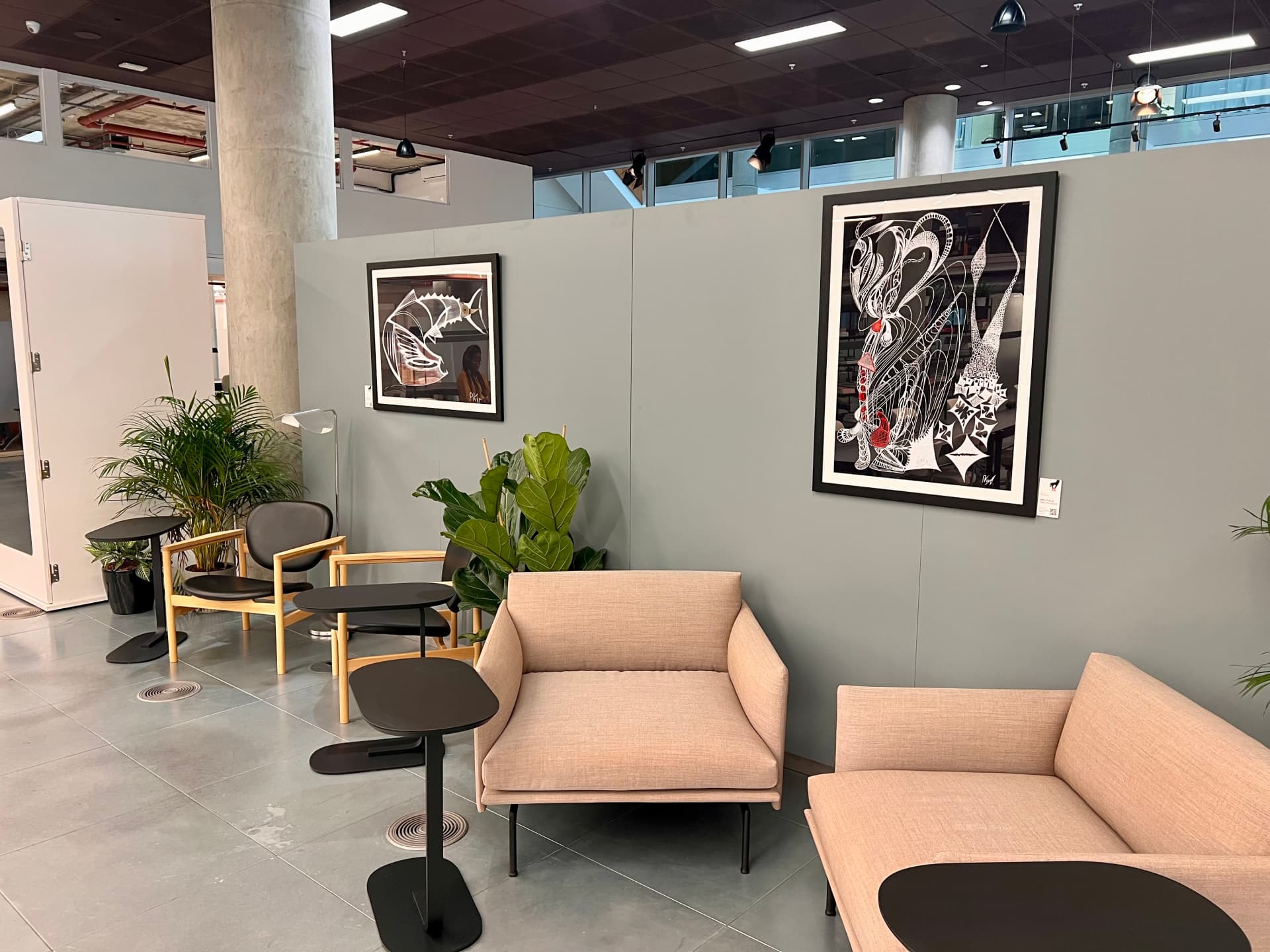
There are now far more free vs paid exhibition spaces for artists than there used to be, particularly through hospitality, retail, and hybrid cultural spaces that benefit from having artwork integrated into their environments.
Hotels, cafés, restaurants, co-working spaces, and design-led venues are all becoming increasingly important spaces for contemporary art because they create organic visibility while removing some of the traditional financial barriers around exhibiting.
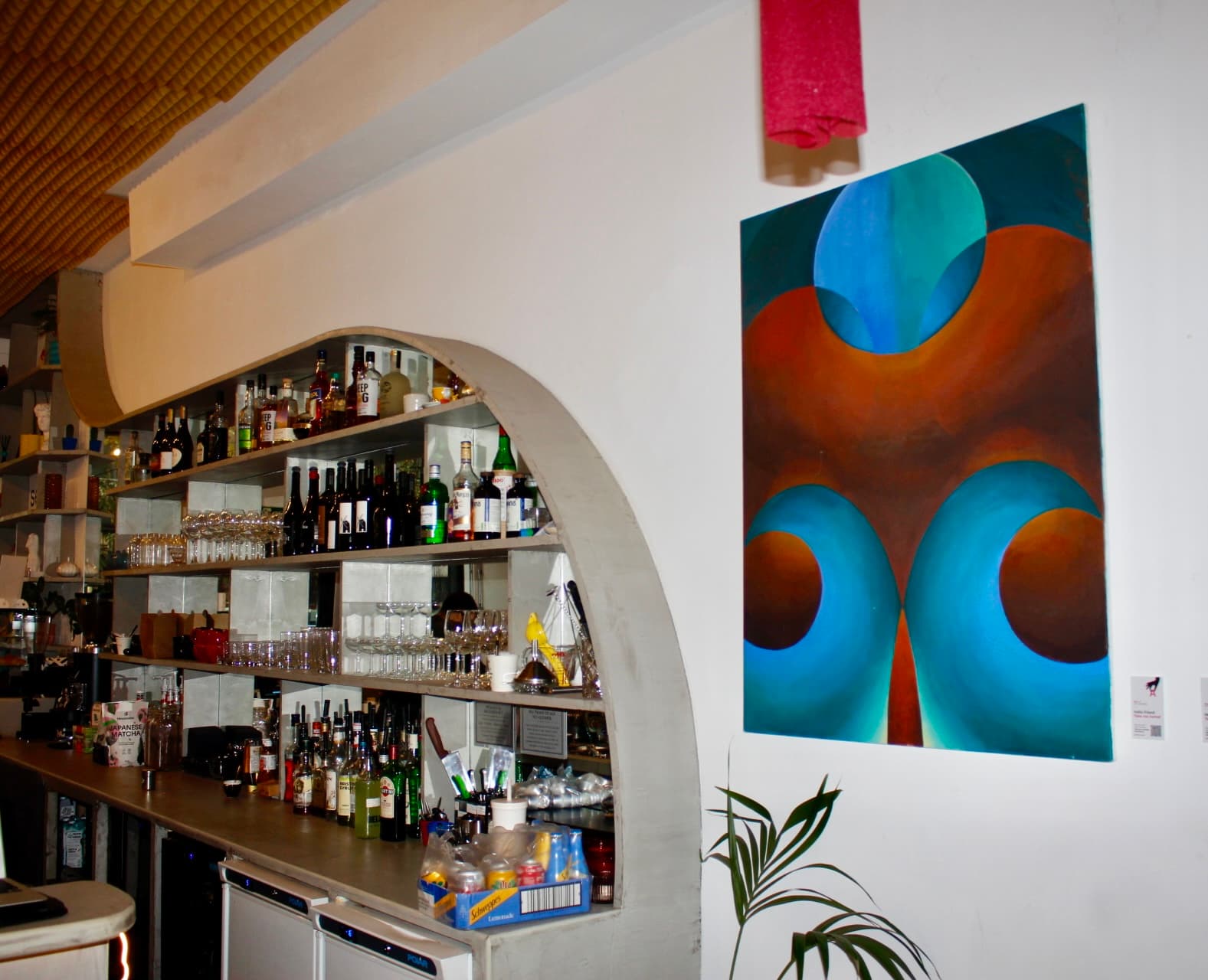
This is a huge part of what we believe in at PickArt. Artists shouldn’t have to spend thousands of pounds upfront just to make work visible. The whole ethos behind the platform is about making art buying and selling feel less gatekept and more naturally embedded into real-world environments.
Rather than artists paying for temporary wall space, we work through curated placements within hospitality and lifestyle venues where artworks can actually live, be discovered naturally by audiences, and remain available for direct sale through QR-based infrastructure.
When Paying for Exhibition Space Is Worth It (and When It Isn't)
That doesn’t mean paying for exhibition space is always a bad idea.
There absolutely are situations where investing financially in a show makes sense. If the exhibition creates strong press opportunities, meaningful networking, long-term collector relationships, or career development, then the value can extend far beyond immediate sales.
The important thing is understanding what you are actually paying for.
If you’re asking if it's worth paying for exhibition space as an artist, the answer really depends on whether the exhibition is creating a genuine opportunity or simply charging artists for visibility without meaningful support around it.
An expensive gallery hire with very little audience development, marketing support, or sales infrastructure often becomes difficult to justify. On the other hand, a carefully curated exhibition with strong positioning and genuine audience engagement can absolutely become worthwhile even if upfront costs are involved.
The key is making informed decisions rather than assuming every exhibition opportunity automatically carries equal value.
How to Negotiate a Better Rate on Gallery or Venue Hire
A lot of artists don’t realise that exhibition fees are often negotiable.
If you’re researching how to negotiate exhibition space rental fees, it’s important to remember that venues are usually balancing multiple priorities themselves. Particularly for independent spaces, there is often flexibility around timing, commission structure, or the scope of the exhibition.
Sometimes venues may reduce flat hire fees in exchange for commission on sales. Others may offer reduced rates for shorter installations, quieter periods, or collaborative programming.
What matters most is understanding the overall value exchange. Are you bringing an audience? Press? Community? Cultural relevance? The strongest negotiations tend to happen when artists position themselves as collaborators rather than simply renters.
Hidden Costs Artists Forget When Budgeting for an Exhibition
One of the biggest mistakes emerging artists make is focusing only on venue hire itself.
The hidden costs surrounding exhibitions are often what become most financially difficult. Transport alone can become expensive very quickly, particularly for large works. Insurance, installation support, technician fees, private view staffing, hospitality, artwork labels, vinyl signage, and documentation can all significantly affect the final budget.
This is why learning how to calculate whether an exhibition will be profitable matters so much. Profitability isn’t just about whether work sells. It’s about understanding the relationship between exposure, sales potential, audience growth, future opportunities, and actual financial outlay.
And honestly, many artists are beginning to realise that there are now more sustainable ways to build visibility than repeatedly self-funding expensive short-term exhibitions.
Commission vs Flat Fee: Which Exhibition Model Works Best for You?
One of the most important questions artists now face is what is a fair commission rate for gallery exhibition space, and whether commission-based models actually create better alignment than flat venue hire fees.
Traditionally, galleries often work somewhere around a 50/50 commission split. Some take less, some take more. In those models, the gallery is incentivised to actively sell the work because its revenue depends on successful sales.
Flat-fee exhibition models work differently because the venue earns money regardless of whether any work sells at all. That can sometimes create misalignment where artists absorb most of the financial risk independently.
This is one of the reasons we’ve structured PickArt differently. Artists do not pay upfront exhibition fees to place work through the platform. Instead, placements are curated carefully around contextual fit, and revenue is generated only in the event of a sale. The aim is to create a model where visibility, audience engagement, and sales infrastructure all work together, rather than artists paying simply for temporary exposure.
How to Calculate Whether an Exhibition Will Be Profitable
A simple way to assess exhibition profitability is to compare your total exhibition costs against both your realistic expected sales and the longer-term value the show may generate.
For example, if a one-week exhibition costs £2,000 once venue hire, transport, framing, installation, marketing, and hospitality are included, but you realistically expect around £1,200 in sales, you are already operating at an £800 financial loss before considering your time and labour. At that point, the question becomes whether the visibility, networking, collector relationships, press opportunities, or future commissions generated from the exhibition justify that investment.
Ultimately, understanding how much exhibition space costs for artists is not just about comparing venue prices. It’s about understanding what kind of visibility actually supports your practice long term.
Sometimes a traditional exhibition is absolutely the right decision. Other times, placing work into real-world environments where people naturally spend time can create far more sustained engagement and accessibility than a short gallery show ever could.
That’s part of the wider shift happening right now. Artists are becoming more strategic about where their work lives, who encounters it, and how sustainable those systems actually are financially.
So if you’re currently researching how much an emerging artist should pay to exhibit their work, the most important thing to remember is this: visibility should not require artists to constantly absorb unsustainable levels of financial risk just to participate in the art world.
Increasingly, the strongest opportunities are the ones that make exhibiting feel more accessible, more connected to real audiences, and more sustainable over time.