
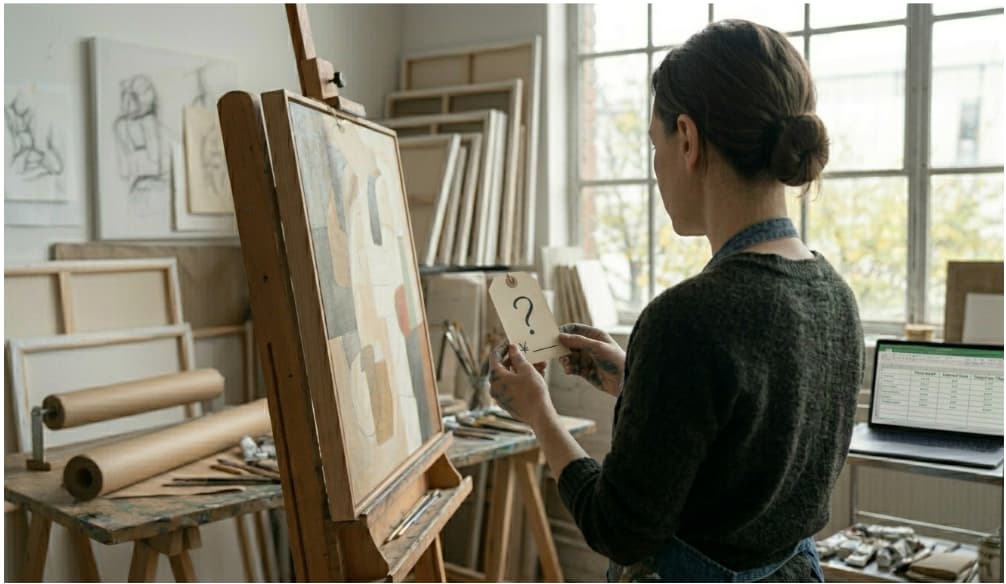
Most artists don't struggle with making the work; they struggle with putting a number on it. You start asking yourself how much you should sell your art for, whether you're undervaluing it, overpricing it, or pricing yourself out before you've even begun. Especially when you're starting, figuring out how to price art as an emerging artist can feel like guesswork, but in reality, there are frameworks, patterns, and ways of approaching pricing that can make the process far more grounded. Getting your pricing right early on can shape how your work is perceived long term, so it's worth approaching it with intention rather than hesitation.
Pricing Is About Context, Not Just Cost
A lot of this comes down to understanding that pricing is not just about the object; it's about context. A pricing original artwork guide will often tell you to factor in time, materials, and experience, and while that is important, it's only part of the picture. Learning how to value your artwork also means understanding where it sits in the market, who your audience is, and how your work is being seen. For example, how to price artwork for a gallery vs selling directly can look very different. Galleries typically take a commission, so prices are often set higher to account for that, whereas direct sales might allow for more flexibility. This is why many artists begin exploring how to price art without undervaluing it while still keeping it accessible, especially when they are self-representing and building their audience independently.
Practical Pricing Methods You Can Use
There are also more practical methods that artists lean on when trying to find a starting point. You might come across the square inch pricing method for artists, explained, which gives a structured way to calculate value based on size, or other versions of an art pricing formula for artists that combine material costs with hourly rates. These approaches can be helpful, particularly when thinking about how to price paintings as a new artist, but they are not rules. They are simply starting points. The goal is not to follow a rigid formula, but to build confidence in your pricing decisions while still allowing space for growth and change.
One of the biggest concerns artists have is how to price art without undervaluing it, especially when they are early in their career. A common question that comes up is whether emerging artists price their work lower to get sales, and while it might feel like the easiest way to gain traction, it can actually create longer-term challenges. Pricing too low can make it harder to reposition your work later and can unintentionally signal a lack of confidence. Instead, pricing should reflect both where you are now and where you are going. This is where thinking about how to increase your art prices over time becomes important, as gradual and consistent adjustments tend to feel more natural to both you and your audience.
Why Placement Affects Perceived Value
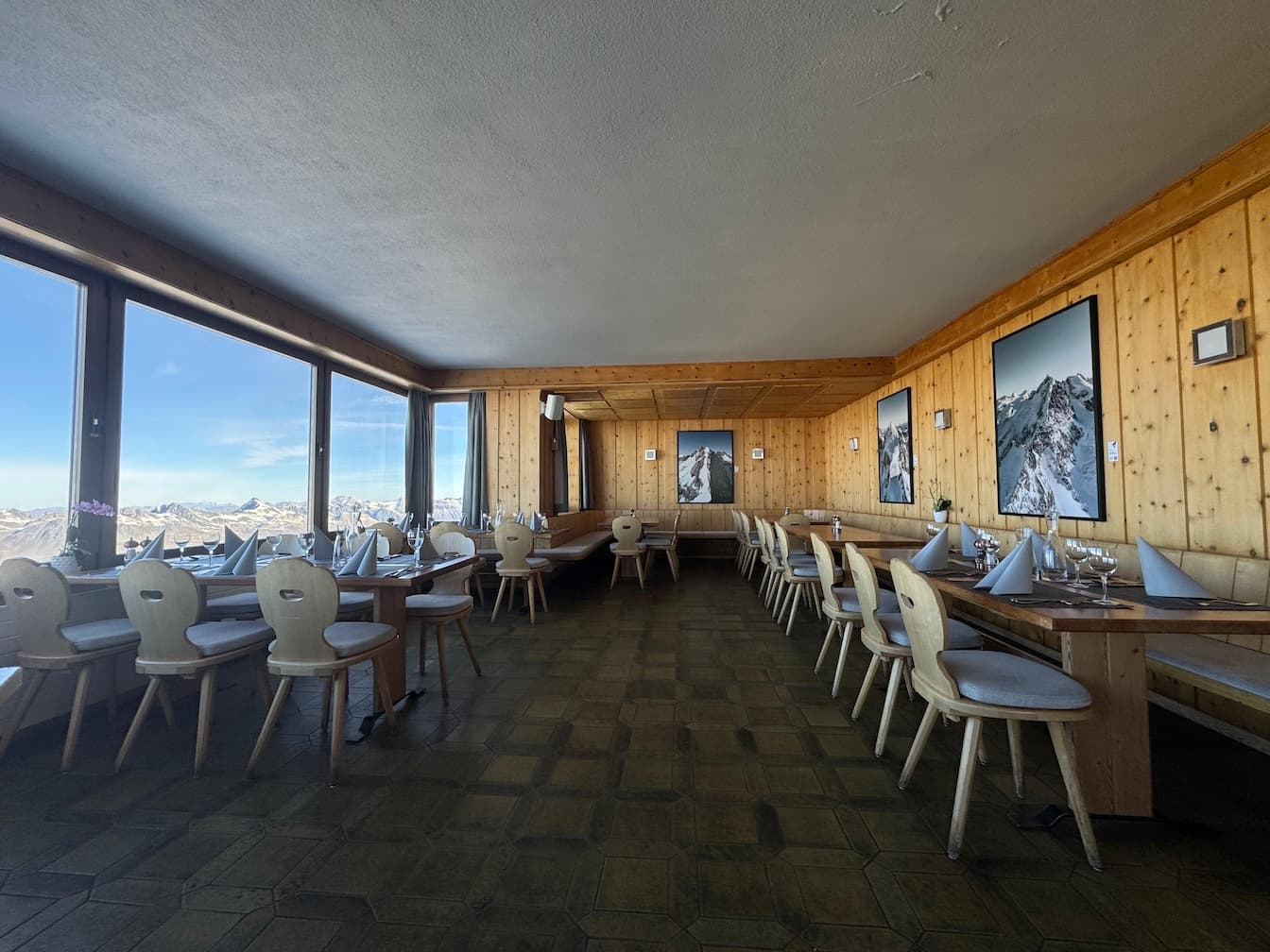
What often gets overlooked in conversations around pricing is visibility. Where your work is shown has a direct impact on how it is perceived and, in turn, how it is valued. Displaying work in the right environments can reinforce your pricing, while the wrong context can make even strong work feel misaligned. This is why pricing and placement are so closely linked. When your work is seen in considered, design-led environments, it supports your value without you needing to over-explain it. In many ways, understanding pricing is as much about where your work lives as it is about the number itself.
A New Model: Pricing in Real-World Contexts
This is also where models like PickArt begin to shift the conversation. By placing work directly into real spaces such as hotels, hospitality venues, and everyday environments, and enabling direct sales through QR code art sales, pricing becomes part of a more fluid system. Instead of setting a price in isolation, artists are able to see how their work is received in real contexts, by real audiences. It creates a feedback loop that is often missing from traditional gallery systems, where pricing can feel fixed and disconnected from actual engagement.
Ultimately, learning how to price artwork for sale is not about finding one perfect number. It is about building a structure that supports your practice, reflects your work honestly, and evolves as you do. Whether you are using an art pricing formula for artists, exploring how to price paintings as a new artist, or trying to understand how to price artwork for a gallery vs selling directly, the most important thing is to start. Pricing will always feel slightly uncomfortable at first, but it becomes clearer over time. The goal isn't to get it perfect, it's to get it consistent and intentional. And from there, everything else has room to grow.