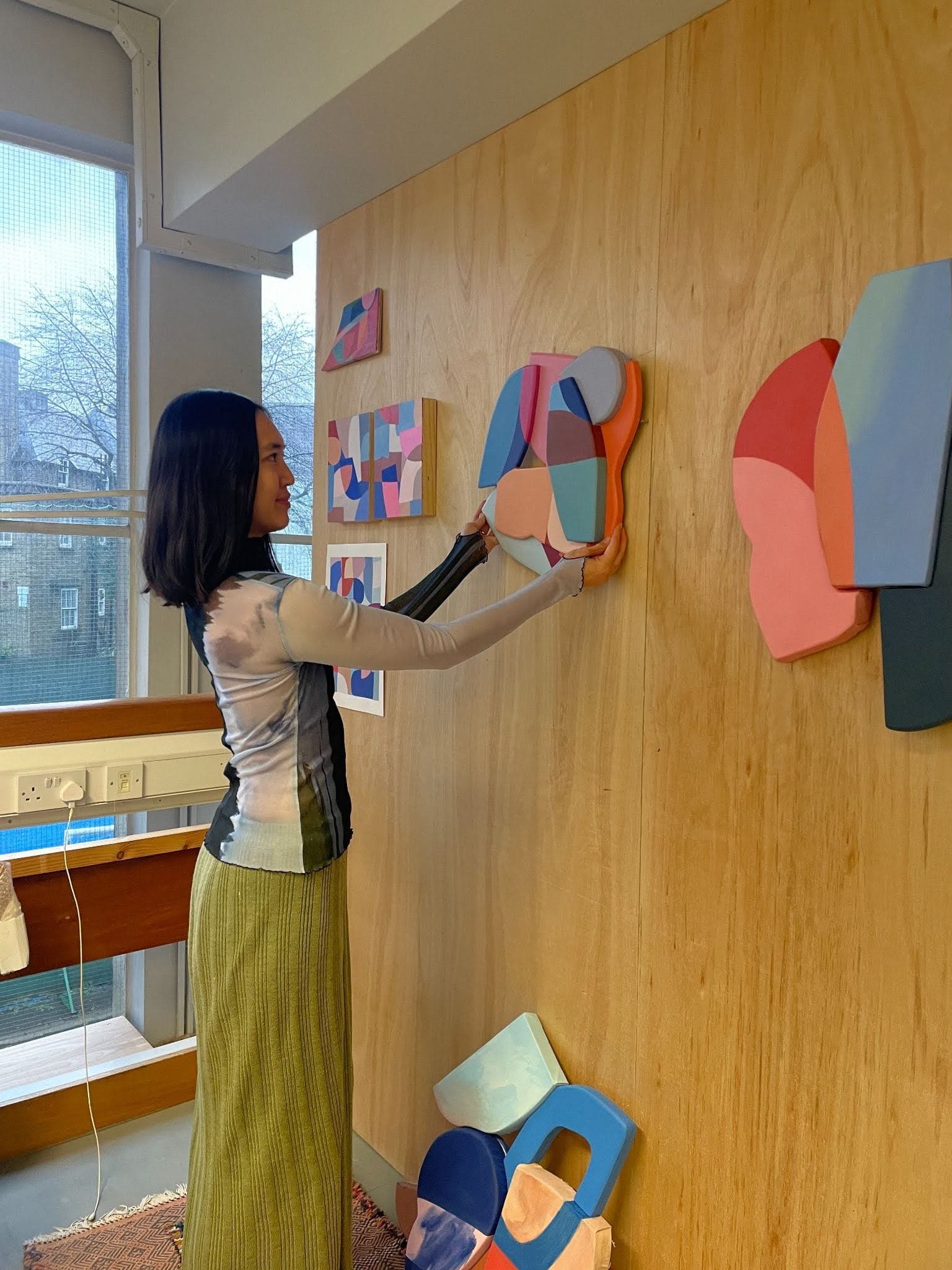
It's a question more and more artists are asking, and not from a place of rebellion but from a very real need to find something that actually works. The traditional gallery route has always been presented as the natural progression, but for most artists, it remains inaccessible, slow, or simply misaligned with how they want their work to be experienced. So the conversation has shifted. Instead of asking how to get into a gallery, artists are now asking how to exhibit art independently, how to get their art seen without a gallery, and what alternative ways to show artwork actually look like in practice.
Alternative Ways to Show Artwork: Where Artists Are Exhibiting Today
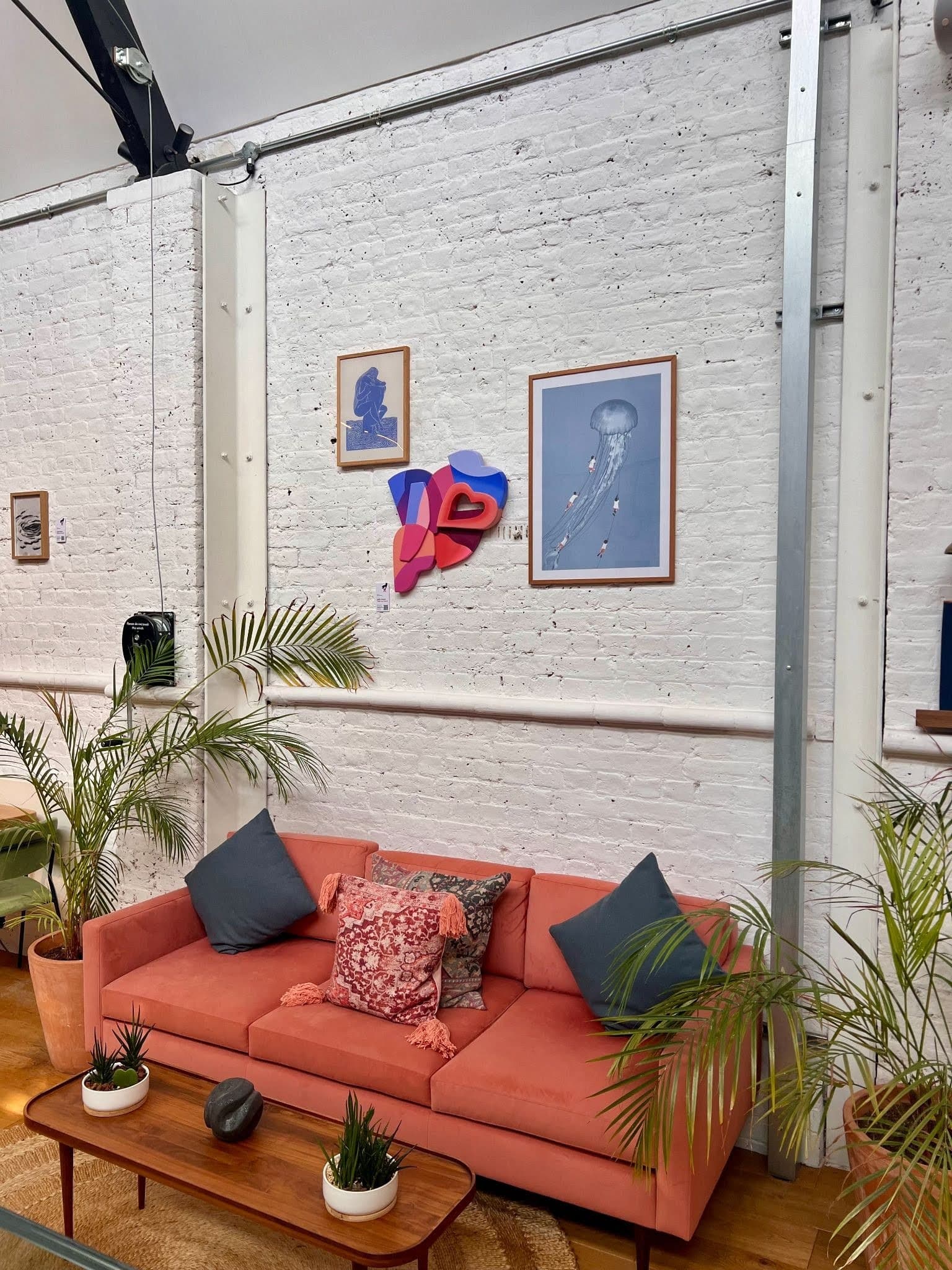
The reality is that exhibiting art outside of galleries is no longer unconventional. It is becoming the norm. Artists are finding ways to show work in cafés, hotels, studios, co-working spaces, and other non-traditional venues that sit much closer to everyday life. For those looking into alternative exhibition spaces for emerging artists in the UK, such environments are becoming increasingly relevant. These spaces offer something galleries often do not, which is consistent, diverse footfall and a more relaxed way of engaging with work. If you think about how to show art in public spaces, it starts to make sense that the audience you reach in a hospitality setting is often broader than the one you might reach through a gallery opening. People are not arriving with expectations; they are encountering work naturally, and that changes the relationship entirely. It also opens up a different kind of collector, including first-time buyers who may never have stepped into a gallery but are open to purchasing something they connect with in a real environment.
How to Exhibit Art Independently and Build a Sustainable Practice
This shift towards alternative exhibition spaces for emerging artists in the UK and beyond is not just about access; it is about control and sustainability. When you begin exhibiting independently, you are not just showing work; you are learning how to position it, how to price it, and how to build relationships directly with your audience. These shifts are also shaping more practical self-representing artist tips, where artists think beyond galleries and focus on where their work lives. The challenge, however, has always been consistency. While it is possible to organise your own exhibitions or approach venues directly, doing so repeatedly and at scale is difficult. It requires time, resources, and a level of coordination that can take away from the actual making of work.
How to Sell Art Without Gallery Representation
At the same time, there has always been a gap between exposure and sales. Many artists can find ways to get their work seen, but far fewer find reliable ways to sell art without gallery representation. Showing work in a café or hotel might bring visibility, but unless there is a clear mechanism for purchase, that visibility often stops there. This is where the question of how to sell art without gallery representation becomes more nuanced. It is not just about placing work in public; it is about making that work accessible to buy in the moment of connection. Without that, even the most beautiful placement risks becoming purely decorative.
This is also why more artists are starting to think not just about where they show their work, but how those environments function. Rather than one-off exhibitions, there is a growing interest in systems that allow work to live, be seen, and be purchased more fluidly over time. It is within this shift that new models are beginning to emerge.
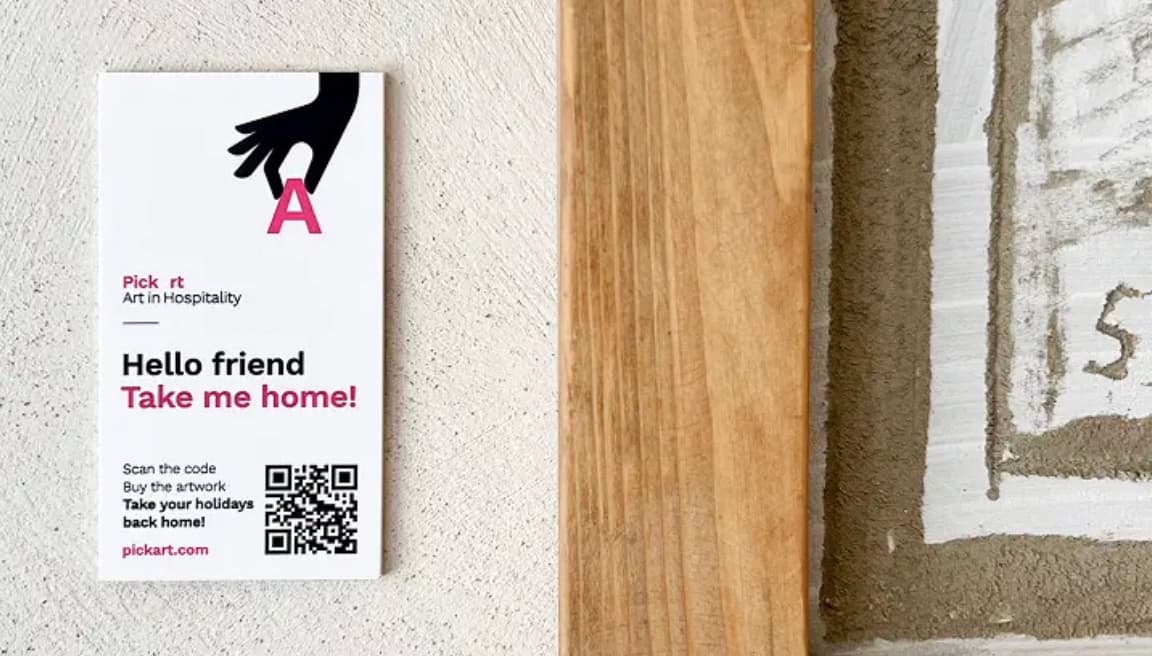
PickArt sits within this space. It is built around the idea that artists can exhibit in real environments while still maintaining a direct pathway to collectors. By placing work into hospitality settings such as hotels, cafés, and short-term rentals, and pairing it with QR code art sales, the process becomes far more immediate. Someone encounters a piece, feels something, and can choose to engage with or purchase it in that same moment. It reframes how to display art in non-gallery venues by integrating visibility and sales into a single experience, rather than treating them as separate stages.
How Does Art Consignment in Hospitality Spaces Work?
Understanding how art consignment in hospitality spaces works is key to this. Instead of paying to hire a space, artists place their work on a consignment basis, meaning it is displayed and sold without upfront cost, and a commission is taken only if the work sells. This removes a significant barrier for emerging artists who might otherwise struggle with the financial risk of traditional exhibition models. It also allows for longer-term placements, meaning work is not just seen for a single evening or weekend but lives in a space over time, building familiarity and increasing the likelihood of sale.
All of these point to a broader shift in how artists think about exhibiting. The question is no longer just how to get into a gallery, but how to get your artwork seen by the public in a way that is both meaningful and sustainable. It is about recognising that art does not need to exist only within designated art spaces to be valid or valuable. In fact, placing work into everyday environments often allows it to resonate more deeply, because it becomes part of lived experience rather than something set apart from it.
Exhibiting Art Without a Gallery: A New Way Forward
So can you exhibit your art without a gallery? Yes, and increasingly, that path offers more flexibility, more visibility, and more control than the traditional route. Whether you are exploring how to exhibit art in cafes, hotels and everyday spaces, looking into alternative ways to show artwork, or trying to build a collector base through direct-to-collector art sales, the opportunities are there. They just require a shift in mindset. The artists who are moving forward now aren't waiting to be chosen; they're choosing where their work lives, how it's experienced, and who gets to encounter it. And that shift, more than anything, is what's changing the landscape.