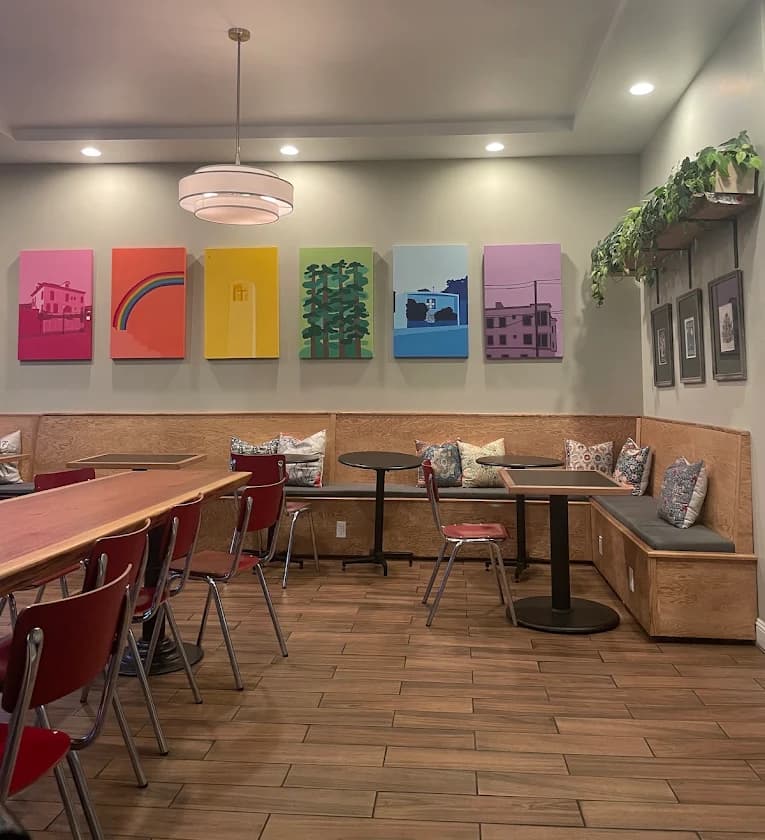
For many artists, cafés and restaurants have become one of the most exciting alternatives to traditional galleries. They introduce your work to people who may never intentionally visit an exhibition, but who are still open to discovering and collecting original art. A customer might spend an hour sitting opposite your painting whilst having dinner, or return to the same café every week and slowly build a connection with a particular piece. There is something powerful about artwork becoming part of someone's everyday environment rather than existing only within dedicated art spaces.
As more artists begin exhibiting in hospitality venues, the question is no longer simply how do I find somewhere to exhibit? Increasingly, it's how do I actually sell the work once it's there?
If you're still looking for a venue, we'd recommend starting with our guide Can I Exhibit My Art in Cafés, Hotels or Shops?, which explores how to find suitable hospitality spaces, approach them professionally and build lasting relationships with venue owners.
This article assumes you've already secured a venue. The focus now is on making sure your exhibition doesn't simply create visibility, but gives every interested visitor the best possible opportunity to become a collector.
Finding the Right Venue Is Only the Beginning
Once your work is hanging on the wall, it's easy to feel like the hardest part is over. In reality, that's often when the next challenge begins.
A successful exhibition isn't simply about getting people to notice your work. It's about making sure they have everything they need to understand it, connect with it and, if they want to, buy it.
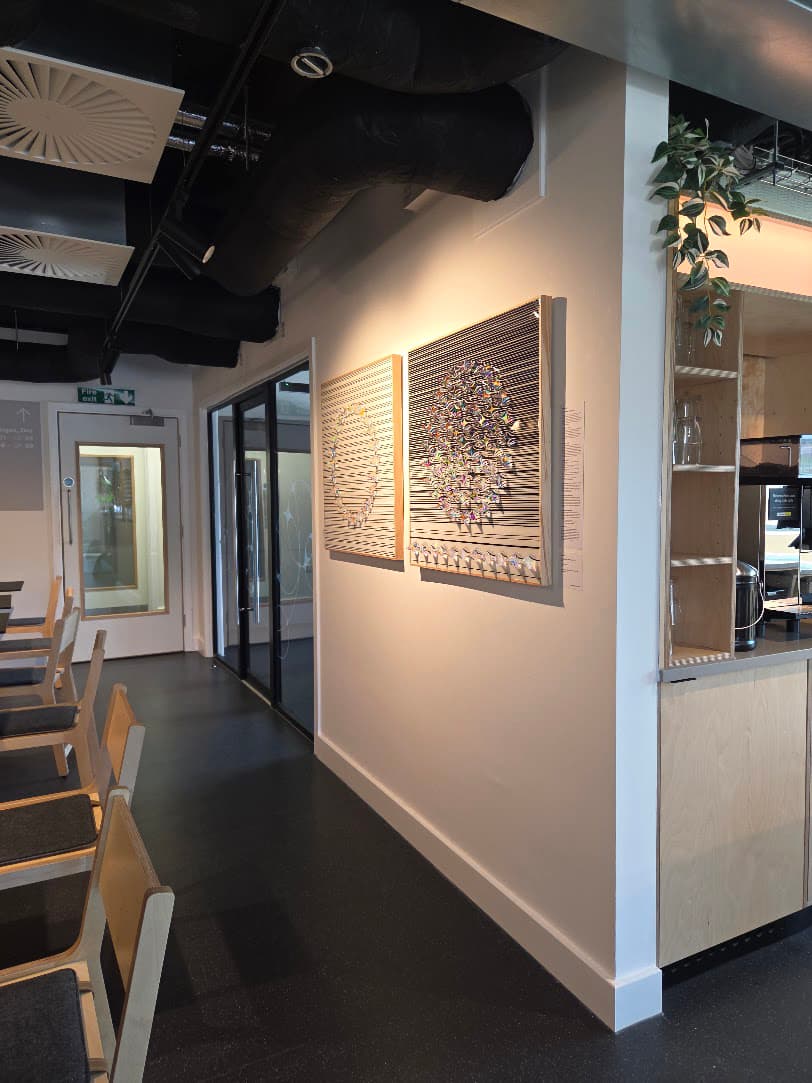
Hospitality spaces create a very different experience from traditional galleries. Visitors aren't arriving with the intention of collecting art. They're meeting friends for coffee, having dinner, working remotely or staying overnight. They discover artwork naturally as part of their surroundings, often spending far longer with it than they would in a gallery.
That can be a huge advantage, but only if the experience feels effortless.
Approach the Venue as a Partnership
When approaching cafés or restaurants, it helps to remember that you're not simply asking for wall space. You're proposing a partnership.
Most hospitality venues aren't looking to become galleries. They're looking to create welcoming, interesting environments that encourage people to spend time in their space. Well-chosen artwork can play an important role in that.
Think about how your work complements the atmosphere of the venue. Does the style suit the interiors? Will the scale work within the available walls? Does the audience naturally align with your practice?
When reaching out, keep your proposal concise and visual. Include a short introduction to your practice, a small selection of relevant images and explain why you think your work would be a good fit for that particular venue. Taking the time to tailor your approach usually leads to much stronger relationships than sending the same email to dozens of businesses.
Agree Expectations Before the Work Goes Up
Before installing any artwork, it's worth agreeing exactly how the exhibition will work.
Start with the practicalities. How long will the work remain on display? Who is responsible for installation and collection? What happens if a piece is damaged? Will the venue take commission if something sells? Having these conversations early helps avoid misunderstandings later and gives both sides confidence about the arrangement.
One of the most important questions, however, is often overlooked.
How Will Somebody Actually Buy the Artwork?
Many cafés and restaurants are happy to display local artists because it adds character to their space and supports the creative community. What they often don't want is the responsibility of managing artwork sales.
Staff are busy serving customers. They may not know the story behind every piece, whether it's still available or how much it costs. Team members change regularly and it's unrealistic to expect them to confidently answer detailed questions about every artist exhibiting in the venue.
At the same time, relying on visitors to remember your Instagram handle, send an email later or ask for your details at the counter often means the sale disappears altogether.
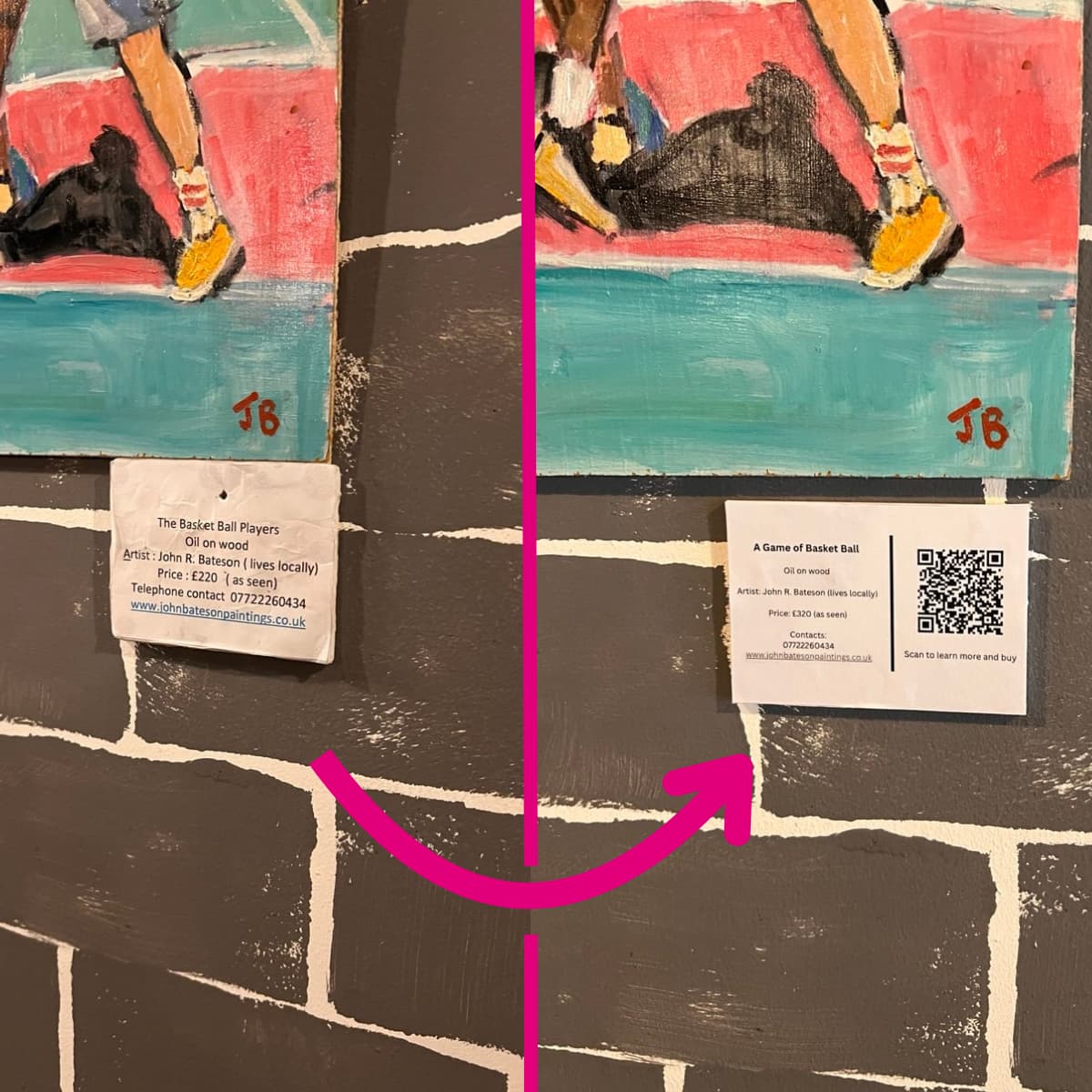
This is one of the reasons tools like PickArt Indie are becoming increasingly popular with independent artists. Rather than expecting venue staff to manage enquiries, every artwork is paired with its own QR label. Visitors simply scan the code beside the work to learn about the piece, read about the artist, view the price and purchase securely if they choose, all without interrupting the day-to-day running of the venue.
The result is a much smoother experience for everyone involved. Visitors get the information they need immediately, the venue doesn't become responsible for artwork sales and artists don't have to spend their evenings responding to enquiries that could have been answered automatically.
Price and Label Your Work Clearly
One of the simplest ways to improve your chances of making a sale is also one of the most overlooked. Make sure people know what they're looking at.
It's surprising how many exhibitions rely on visitors asking a member of staff for prices or searching online to find the artist afterwards. Every extra step creates another opportunity for that initial excitement to disappear.
At a minimum, every artwork should clearly communicate:
- The title of the work.
- Your name.
- The medium.
- Whether it's an original or a limited edition.
- The price.
- A simple way for someone to learn more or buy it.
The challenge is that creating all of this yourself can quickly become another job. Many artists end up building individual artwork pages, generating QR codes, directing people to different websites and social media platforms, then spending time answering enquiries, sending additional information and manually arranging sales.
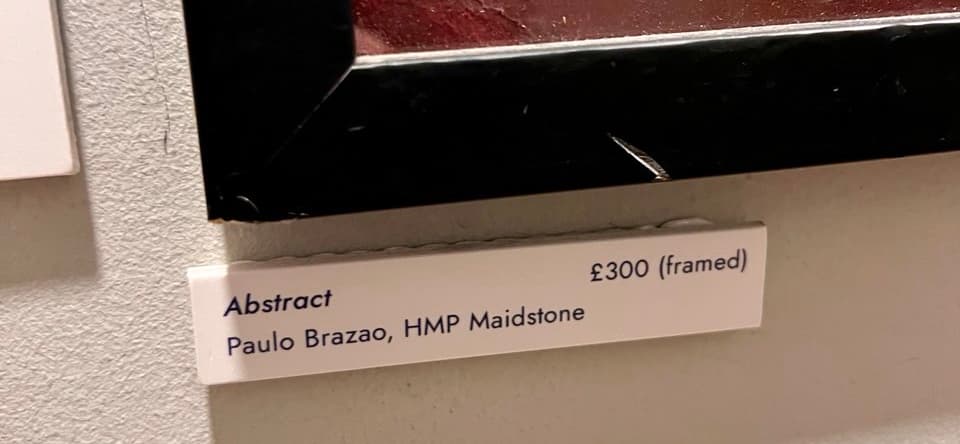
This label is missing contact information and any further details on the artist or the work but at least it mentions the artist, the title, and the price
Artists Are Artists, Not Web Developers
This is where PickArt Indie can make the process much simpler. Rather than building your own system from scratch, Indie gives every artwork its own dedicated digital storefront. Each QR label links to a page containing professional images, artwork details, your artist biography, links to your website and social media, pricing and a secure checkout, all in one place.
Instead of managing multiple platforms and repeating the same information to every interested buyer, visitors can discover everything they need themselves whilst they're still standing in front of the work. That means less admin for you, less reliance on venue staff and a much smoother buying experience for everyone involved.
The easier you make that journey, the more likely someone is to act whilst they're still emotionally connected to the work.
Visibility Doesn't Automatically Become a Sale
Securing an exhibition is a huge achievement, but visibility alone rarely leads to sales.
Think about your own experience as a customer. You notice something you love. You tell yourself you'll come back later, search for it online or send a message once you get home.
Most of the time, life gets in the way. Exactly the same thing happens with artwork.
Somebody might genuinely love your painting, but if buying it requires remembering your name, searching Instagram, sending an email and waiting for a reply, every additional step creates another opportunity for that moment of excitement to disappear.
The problem usually isn't that people don't like the work. It's that buying it becomes too complicated. The goal should always be to make purchasing your work almost as effortless as discovering it.
Make Buying as Easy as Discovering
By the time somebody has decided they'd like to know more about your work, you've already done the hard part. They've stopped, spent time looking at the piece and formed a connection with it. The final step should feel just as effortless.
Buying original art can feel intimidating, particularly for first-time collectors. People often have questions before they're ready to commit. They want to know more about the artist, understand the story behind the work, check whether it's an original or an edition, explore other available pieces and feel confident that they're buying securely.
If that information isn't immediately available, people often tell themselves they'll look it up later. Unfortunately, "later" rarely happens. This is where PickArt Indie was designed to help.
Every artwork receives its own dedicated artwork page, giving visitors everything they need in one place. Rather than searching for your website, remembering your Instagram handle or waiting for you to reply to an enquiry, they can instantly learn about the artwork, read about your practice, browse your other available works and purchase securely whilst they're still standing in front of the piece.
For artists, it removes much of the administration that comes with selling independently. Instead of creating multiple sales pages, managing QR codes, replying to repeated questions and coordinating purchases across different platforms, everything is brought together into one simple system.
The result is a smoother experience for everyone. Visitors can buy with confidence, venues don't have to become responsible for artwork sales and artists spend less time managing enquiries and more time making work.
What If the Venue Already Takes Commission?
One concern we hear regularly from artists is whether using a platform like PickArt Indie changes their existing relationship with the venue. The simple answer is no. At least in our case.
Many cafés and restaurants already have their own way of working with artists. Some ask for a percentage if artwork sells, while others simply provide wall space to support local creatives. Every arrangement is different.
PickArt Indie doesn't replace those relationships. It simply provides the infrastructure that makes buying easier. Payments are made directly to you as the artist, meaning you can continue any commission agreement you've already made with the venue. Rather than changing the relationship, Indie supports it by giving visitors a clear, professional way to discover and purchase your work without creating additional admin for either party.
Hospitality Spaces Are at the Heart of What We Do
At PickArt, we don't see hospitality venues as an alternative to galleries. We see them as valuable cultural spaces in their own right.
Some of the most meaningful connections with art happen outside traditional exhibition spaces. A painting might become part of somebody's morning coffee routine, catch their eye during dinner with friends or stay with them long after checking out of a hotel. These slower, more natural encounters often create a different kind of relationship between artwork and audience.
That's why hospitality spaces sit at the heart of everything we do. For artists who already have their own venues, PickArt Indie provides the digital layer that helps turn those exhibitions into opportunities for sale.
For artists who would rather we source placements on their behalf, our Consignment model follows the same philosophy. We carefully curate collections for cafés, restaurants, hotels and other hospitality spaces, manage the placement process and support sales throughout the exhibition.
If you'd like us to help find the right venues for your work, you can learn more about our Consignment model here.
Whether you organise your own placements or work with us to find them, our goal is the same. We want to make art easier to discover, easier to experience and easier to buy in the places where people already live, work and gather.
Final Thoughts
Selling art in cafés and restaurants isn't simply about finding somewhere to hang your work. It's about creating an experience that feels effortless from beginning to end.
When somebody connects with your artwork, they shouldn't have to search for your details, ask multiple members of staff or remember to message you once they get home. The easier you make that journey, the more likely that moment of connection becomes a completed sale.
As more artists continue exhibiting beyond traditional galleries, the opportunities offered by hospitality spaces will only continue to grow. The challenge is no longer simply getting your work seen. It's making sure people can act whilst they're still inspired by it.
If you're still exploring whether exhibiting independently is the right route for your practice, you may also enjoy our guide Can I Exhibit My Art Without a Gallery?, which explores why more artists are choosing alternative exhibition routes and how hospitality spaces fit into a broader, more sustainable way of building a creative career.
Ready to Make Your Exhibition Easier to Buy From?
If you already have work displayed in a café, restaurant, hotel, studio or other public space, you've already done the hard part by securing the venue. PickArt Indie simply helps you make the most of it.
Create a dedicated page for every artwork, generate professional QR labels and give visitors a simple, secure way to discover your work, learn about your practice and purchase whilst they're standing in front of it.
No building your own artwork pages. No managing multiple platforms. No relying on venue staff to answer questions about your work.
Just one place that brings everything together, making it easier for people to become collectors whilst reducing the administration for you. We're currently offering 0% PickArt commission for your first year, making it the perfect opportunity to try Indie with your existing exhibitions.
Create your free PickArt Indie account today and start making every exhibition easier to buy from.